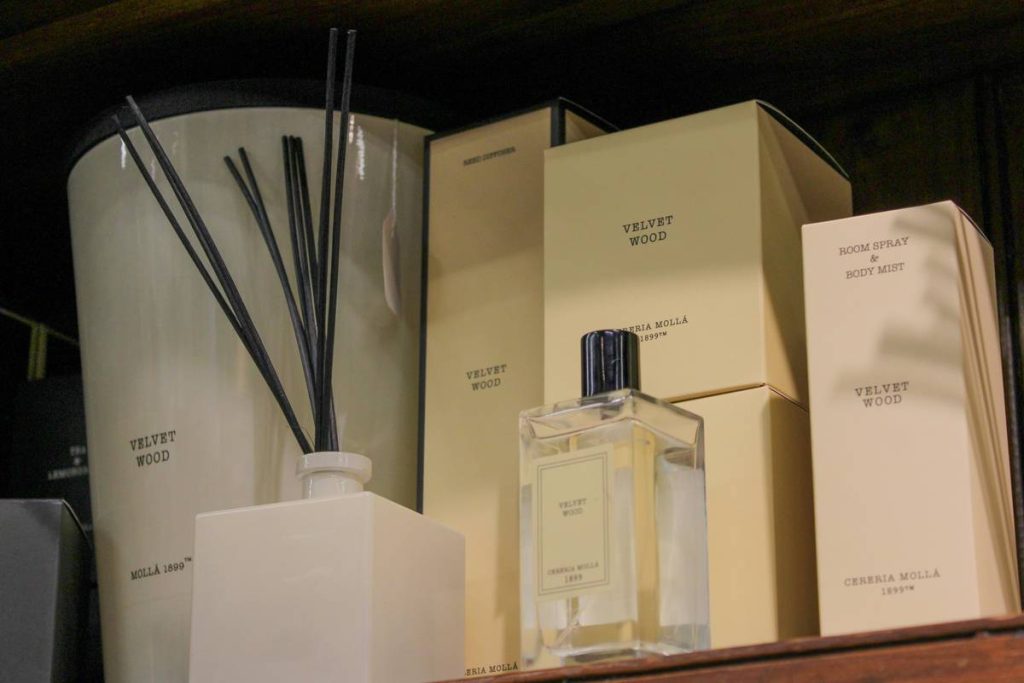
Most store-bought air fresheners are chemical cocktails disguised as convenience. They mask odors with synthetic fragrances that can trigger allergies, worsen asthma, and even release volatile organic compounds (VOCs) linked to long-term health risks. And yet—we all want our spaces to smell inviting. The solution isn’t to suffer through stale air or burnt popcorn ghosts. It’s embracing truly natural ways to scent your home that work with your environment, not against it.
Why Conventional Air Fresheners Fail—And Harm
Plug-ins, sprays, and gels trick you into thinking the air is clean. It’s not. They simply overload your olfactory receptors until you stop noticing the underlying stink. Worse, many contain phthalates—chemicals tied to endocrine disruption—and formaldehyde-releasing preservatives. Independent lab tests (like those from Consumer Reports) consistently find “green” labeled products still emitting hidden VOCs. Your nose might feel fooled. Your lungs aren’t.
And here’s the kicker: repeated exposure dulls your natural scent detection. You stop smelling mildew, pet dander, or food residue—not because it’s gone, but because your senses are chemically numbed.
Natural Ways to Scent Your Home: A Practical, Step-by-Step Guide
Forget gimmicks. Real freshness starts with source control—then layering in passive, plant-based scent diffusion. Below are field-tested methods I’ve refined over 8 years advising eco-conscious homeowners and boutique wellness studios.
Simmer Pots: The Kitchen-to-Living-Room Hack
Toss citrus peels, cinnamon sticks, rosemary, and whole cloves into a pot of water. Simmer on low heat. No boiling—gentle steam carries essential oils without degrading them. This method humidifies while scenting—a dual win in dry climates. Bonus: it uses kitchen scraps you’d otherwise compost.
Dry Botanical Sachets: Silent, Long-Lasting Defense
Mix dried lavender, mint, and lemon verbena in breathable cotton pouches. Tuck them behind couch cushions, in linen closets, or near vents. Unlike beads or gels, they don’t off-gas—they slowly oxidize, releasing subtle terpenes for weeks. Replace monthly or refresh with 2 drops of food-grade essential oil.
Cold Diffusion with Reed Sticks
Avoid heat-based diffusers—they alter oil chemistry. Instead, use reed diffusers with a base of fractionated coconut oil + 10% essential oil blend (e.g., bergamot + cedarwood). Place away from direct sunlight to prevent rancidity. One bottle lasts 6–8 weeks with zero electricity.

| Method | Upfront Cost | Duration | Active Maintenance | Best For |
|---|---|---|---|---|
| Simmer Pot | $0–$5 (uses scraps) | 4–6 hours per batch | Medium (refill water, monitor heat) | Quick refresh during gatherings |
| Botanical Sachets | $3–$8 | 3–6 weeks | Low (occasional oil top-up) | Closets, drawers, quiet rooms |
| Reed Diffuser | $10–$15 | 6–8 weeks | Very Low (flip reeds weekly) | Living rooms, bedrooms, offices |

The Industry Secret: Scent Layering Beats Single Notes
Perfumers build accords—top, middle, and base notes—to create depth. Most DIYers dump lemon oil everywhere and wonder why it smells flat by noon. Here’s what pros do: pair a bright top note (like grapefruit peel), a grounding middle (lavender or clary sage), and a resinous base (vetiver root or pine needles). The result? A dynamic scent that evolves over hours, not minutes. And—critical—it mimics how nature actually smells: complex, not monolithic. Spray one-note “clean linen” everywhere, and your brain registers artificiality instantly. Layer thoughtfully, and you trigger genuine comfort responses.
Frequently Asked Questions
Are essential oil diffusers safe for pets?
Not all are. Cats lack certain liver enzymes to process phenols and terpenes. Avoid tea tree, eucalyptus, and citrus oils around felines. Dogs tolerate more—but never diffuse in enclosed spaces without ventilation.
Do baking soda and vinegar really neutralize odors?
Baking soda absorbs acidic odors (like smoke or sweat). Vinegar neutralizes alkaline ones (ammonia from urine). But neither adds pleasant scent—they’re cleanup crew, not perfumers. Use them first, then add botanicals.
How often should I replace natural air fresheners?
Simmer pots: daily if used regularly. Sachets: every 4 weeks. Reed diffusers: when scent throw weakens (usually 6+ weeks). Sunlight and heat accelerate degradation—store blends cool and dark.