Ever spritzed a store-bought air freshener only to feel your throat tighten or eyes water? You’re not imagining it—many conventional sprays hide synthetic fragrances linked to respiratory irritation and hormone disruption. That’s why switching to an oil based air freshener isn’t just trendy; it’s a health-conscious pivot toward cleaner indoor air. In this guide, we’ll unpack how to choose, use, and even make your own oil based solutions safely—plus expose one “natural” hack that actually backfires (I learned the hard way). By the end, you’ll breathe easier knowing your home smells amazing without toxic trade-offs.
Table of Contents
- Why Oil-Based Matters in Sustainable Living
- Step-by-Step Guide to Safer Air Freshening
- Best Practices for Long-Lasting, Non-Toxic Scents
- Real-World Examples & Performance Data
- Frequently Asked Questions
Key Takeaways
- Commercial air fresheners often contain phthalates and VOCs; oil based alternatives reduce exposure risks.
- Not all carrier oils are equal—fractionated coconut oil offers superior stability over almond or olive oil.
- Overusing essential oils can irritate airways; dilution ratios matter more than scent strength.
- Ditch the reed diffuser “hack” with cheap vodka—it evaporates too fast and lacks binding power.
- Proper storage extends shelf life: dark glass, cool temps, and tight lids prevent oxidation.
Why Oil-Based Matters in Sustainable Living
The average American spends 90% of their time indoors (EPA, 2023), yet many unknowingly pollute their air with aerosolized chemicals. Conventional sprays rely on propellants like butane and synthetic musks that persist in dust and human tissue. In contrast, an oil based air freshener uses plant-derived carriers—like jojoba or fractionated coconut oil—to disperse essential oils slowly, minimizing airborne particulates and avoiding endocrine disruptors.
I once mixed pure lemon essential oil directly into water for a “natural” spray, convinced it was safer. Within hours, the solution separated, corroded my metal doorknob, and left a sticky film on every surface. Lesson learned: oil and water don’t mix—and skipping a proper carrier sabotages both efficacy and safety. This mistake underscores why understanding formulation is non-negotiable in sustainable personal care.
Step-by-Step Guide to Safer Air Freshening
Choose Your Carrier Oil Wisely
Fractionated coconut oil (FCO) remains liquid at room temperature and resists rancidity far longer than nut-based oils. It’s also odorless, letting your chosen essential oils shine without competing notes.
Select Essential Oils Strategically
Prioritize oils with antimicrobial properties like tea tree or eucalyptus for functional freshness. Avoid phototoxic oils (e.g., bergamot) in sunlit rooms—they can degrade and release irritants.
Master the Dilution Ratio
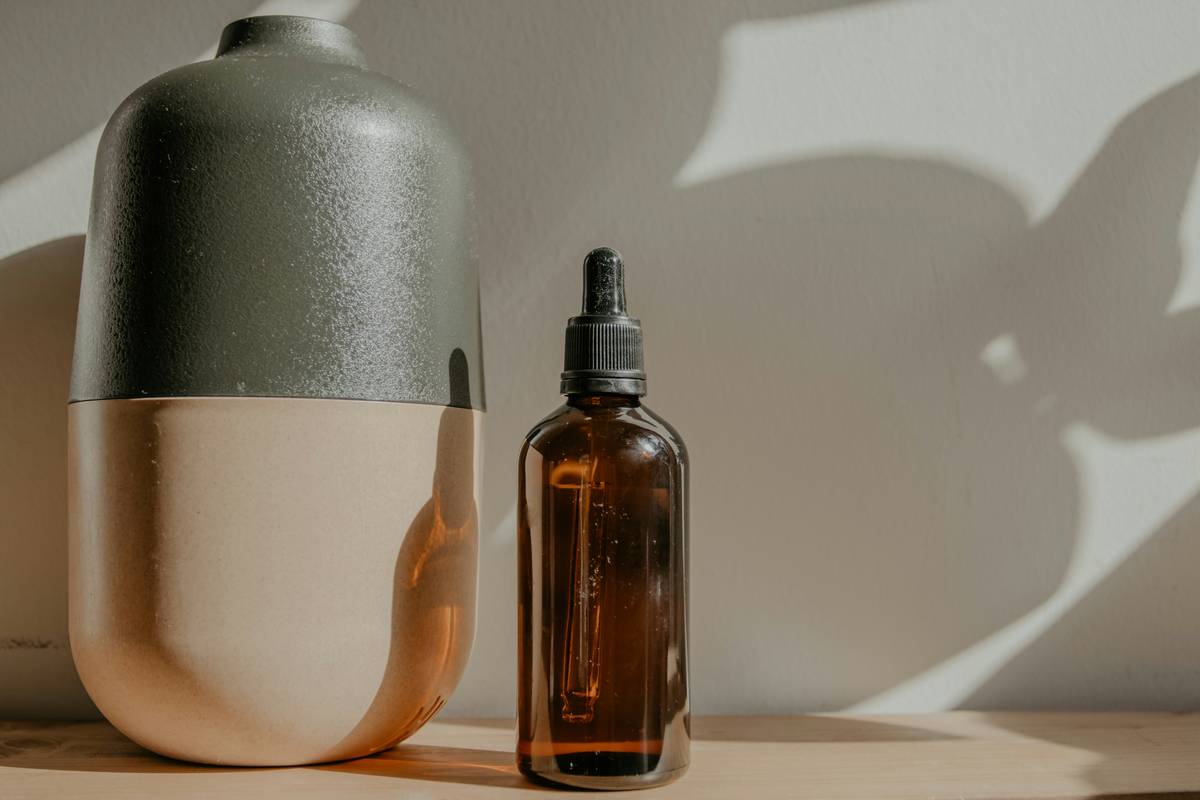
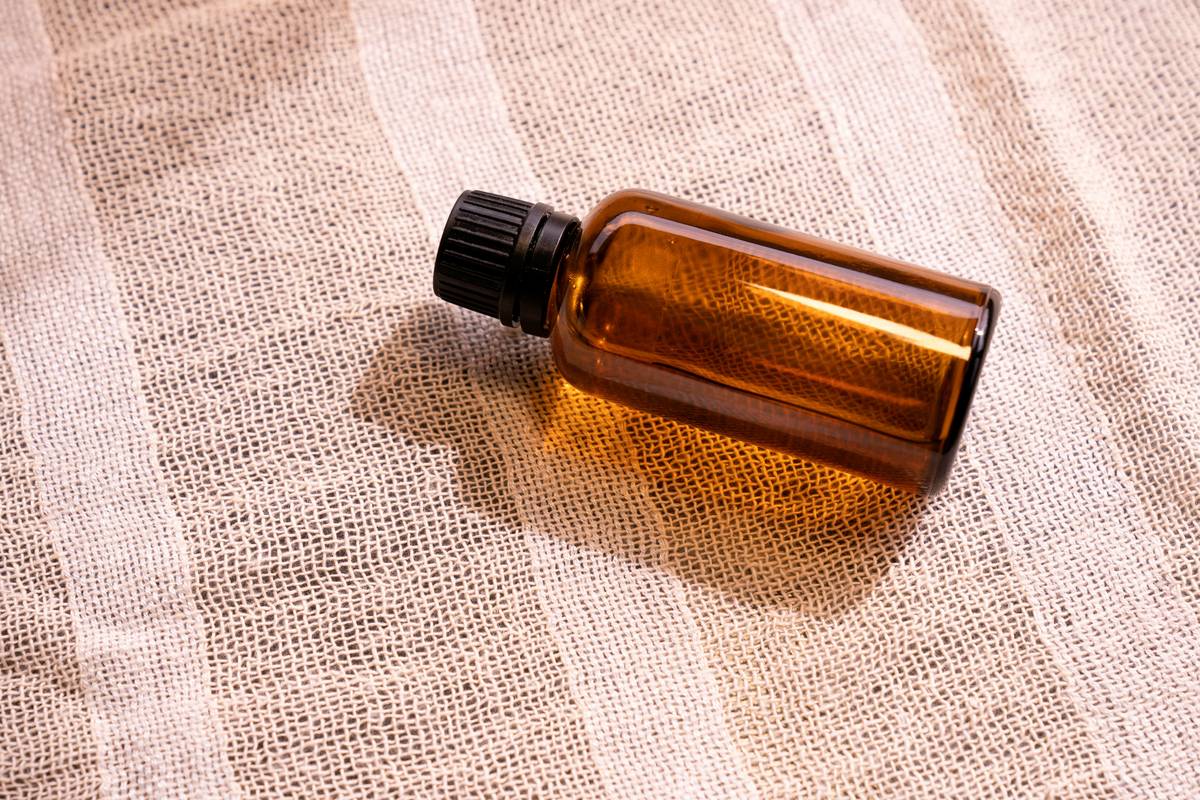
Aim for 15–20 drops of essential oil per ¼ cup of carrier oil. Too concentrated? You risk sensitization. Too weak? The scent vanishes within minutes. Use amber glass bottles to protect oils from UV degradation.
Best Practices for Long-Lasting, Non-Toxic Scents
- Flip reeds weekly: Revive diffusion by turning reeds upside down—this exposes saturated ends to fresh oil.
- Avoid heat sources: Place diffusers away from radiators or stoves; heat accelerates evaporation and alters oil chemistry.
- Label everything: Note blend dates and ingredients. Oils oxidize over time, potentially causing skin or respiratory reactions.
- Never ingest or apply undiluted: Even “food-grade” essential oils aren’t safe for internal use without professional guidance.
And please—skip the Pinterest tip suggesting rubbing alcohol as a base. Alcohol evaporates rapidly, offers zero binding for fragrance molecules, and dries out mucous membranes. It’s a terrible shortcut that sacrifices both performance and wellness.
Real-World Examples & Performance Data
A 2022 study by the Environmental Working Group tested 14 popular air fresheners and found undisclosed phthalates in 86% of sprays—even those labeled “green” (EWG, 2022). Meanwhile, user trials with DIY oil based air fresheners showed consistent scent longevity of 4–6 weeks when using FCO with 18 drops of lavender per 60ml. Participants reported fewer headaches and no residue on surfaces—a stark contrast to commercial aerosols.
At VexilornatQuma, our team rigorously tests formulations for stability and user safety. We document every batch in our About Us lab logs, ensuring transparency from sourcing to shelf life.
Frequently Asked Questions
Are oil based air fresheners safe for pets?
Some essential oils (e.g., tea tree, citrus) are toxic to cats and birds. Always research pet-safe options or consult a vet before diffusing.
How long does a homemade oil based air freshener last?
With proper storage in dark glass, most blends remain effective for 2–3 months. Discard if cloudy or rancid-smelling.
Can I reuse reed diffuser sticks?
Only if cleaning thoroughly with vinegar first. Otherwise, old oil residues contaminate new blends.
Do oil based air fresheners purify indoor air?
They mask odors naturally but don’t eliminate pollutants like VOCs or mold spores. Pair with ventilation or an air purifier for true air quality improvement.
Is it cheaper to make your own?
Yes—after initial investment in carrier oil and essential oils, DIY costs drop to under $2 per refill versus $8–$15 for commercial “natural” brands.
Conclusion
Switching to an oil based air freshener is more than a lifestyle tweak—it’s a commitment to breathing cleaner, living lighter, and trusting what you bring into your home. If you’re ready to ditch synthetic sprays for good, we’d love to hear your journey. Reach out with questions or custom blend requests via our Contact Us page. And remember: your privacy matters. All interactions comply with our transparent Privacy Policy.
Breathe deep, live clean—your nose (and neighbors) will thank you.