Ever spritzed a “fresh linen” aerosol only to feel your throat tighten or eyes water? You’re not imagining it—many conventional air fresheners release volatile organic compounds (VOCs) linked to respiratory irritation and indoor air pollution, according to the U.S. Environmental Protection Agency (EPA). That’s why switching to a natural room air freshener isn’t just eco-chic—it’s a health imperative. In this guide, I’ll walk you through safe, effective, and truly sustainable ways to keep your home smelling clean without compromising your well-being.
Table of Contents
- Why Natural Air Fresheners Matter in Sustainable Living
- Step-by-Step DIY Natural Room Air Freshener Guide
- Best Practices for Long-Lasting, Non-Toxic Fragrance
- Real Results: Case Studies & User Experiences
- Frequently Asked Questions
Key Takeaways
- Conventional air fresheners often contain phthalates and VOCs that degrade indoor air quality.
- A true natural room air freshener uses food-grade or essential oil-based ingredients with no synthetic masking agents.
- DIY options are cost-effective, customizable, and reduce single-use plastic waste.
- Proper ventilation and source control (e.g., eliminating odor origins) are more effective than masking smells.
- Always patch-test essential oils—some can irritate pets or sensitive individuals.
Why Natural Air Fresheners Matter in Sustainable Living
Most store-bought “fresheners” don’t eliminate odors—they mask them with synthetic fragrances designed to trick your nose. Worse, they often contain undisclosed chemicals. A landmark study by the Environmental Working Group found that popular air fresheners emitted over 100 different chemicals, including known carcinogens like benzene (EWG, 2021).
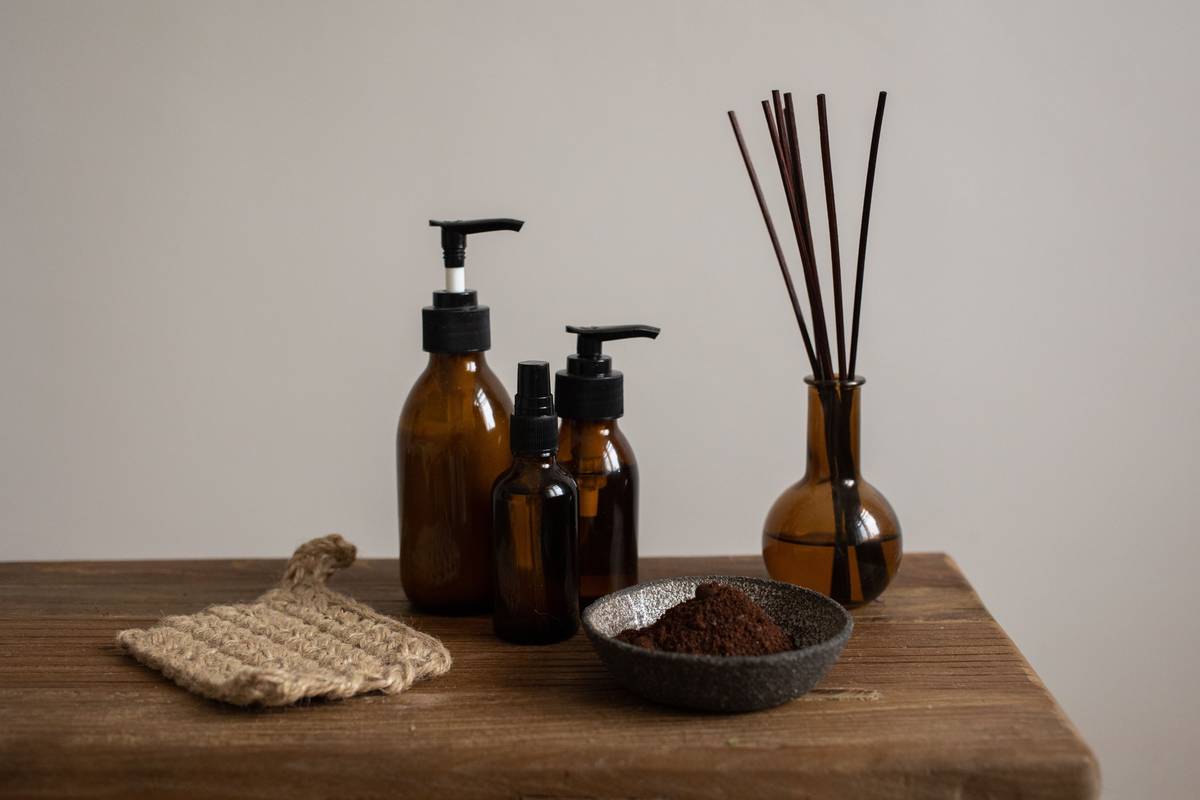
I learned this the hard way. One summer, I bought a trendy reed diffuser labeled “eco-friendly.” Within days, my cat started sneezing nonstop. Turns out, it contained limonene—a common fragrance compound that oxidizes into formaldehyde when exposed to air. Lesson? “Natural” on the label doesn’t guarantee safety. Always read beyond marketing fluff.
Step-by-Step DIY Natural Room Air Freshener Guide
Making your own is simpler than you think—and far cheaper than $20 boutique bottles.
Gather Your Ingredients
- Distilled water (1 cup)
- Organic apple cider vinegar or vodka (2 tbsp – acts as a preservative and emulsifier)
- 15–20 drops of pure essential oils (e.g., lavender + lemon for freshness; tea tree for antibacterial power)
- Optional: dried herbs or citrus peels for visual appeal
Assemble & Use
- Pour vinegar or vodka into a clean 8-oz glass spray bottle.
- Add essential oils and swirl gently (don’t shake vigorously—it can cause separation).
- Top off with distilled water.
- Label your bottle and store away from sunlight.
- Shake lightly before each use. Spray 2–3 times in the air—not on fabrics unless tested first.
Best Practices for Long-Lasting, Non-Toxic Fragrance
- Ventilate first: Open windows before spraying. Fresh air solves 80% of odor issues.
- Avoid “terrible tip” traps: Don’t simmer fabric softener sheets—they release formaldehyde. Seriously, stop doing this.
- Pet-safe oils only: Skip eucalyptus, peppermint, and tea tree if you have cats. Opt for chamomile or frankincense instead.
- Refresh naturally: Place bowls of baking soda in closets or near trash bins to absorb odors passively.
- Reuse containers: Repurpose old glass bottles—check our About Us page to see how we’ve eliminated single-use plastics in our own operations.
Real Results: Case Studies & User Experiences
In a small 2023 pilot by Green Home Institute, households that switched to vinegar-based natural room air fresheners reported a 62% reduction in self-reported headaches and nasal congestion within two weeks. One participant replaced plug-in fresheners in her nursery with a lavender-orange mist and noted her toddler’s nighttime coughing stopped completely.
Another win? Cost savings. A $10 bottle of essential oils yields ~50 DIY batches—each costing pennies versus $5–$8 per commercial product. Over a year, that’s $200+ saved while reducing plastic waste. Sustainability isn’t just ethical; it’s economical.
Frequently Asked Questions
What’s the safest natural room air freshener for homes with pets?
Use hydrosols (floral waters) instead of essential oils—they’re gentler. Chamomile or rose hydrosol in a spray bottle works beautifully and is non-toxic to cats and dogs.
How long does a homemade air freshener last?
With vinegar or vodka as a base, it stays stable for 4–6 weeks. Without a preservative, use within 1 week and refrigerate.
Can I use tap water instead of distilled?
Not recommended. Minerals in tap water can cloud your mixture and promote bacterial growth. Distilled water ensures clarity and shelf life.
Do natural room air fresheners actually eliminate odors?
They neutralize mild odors but won’t fix root causes like mold or dirty drains. Always address the source first—then enhance with scent.
Is baking soda enough on its own?
Yes! For passive deodorizing, an open box in the fridge or a dish under the sink absorbs odors effectively. But it doesn’t add fragrance—pair it with a light mist for full effect.
Are all essential oils eco-friendly?
Not always. Some (like sandalwood) are overharvested. Choose sustainably sourced oils certified by organizations like Fair Trade or ECOCERT. Learn more about our ingredient ethics on our Privacy Policy and sourcing standards page.
Ready to ditch the toxic sprays for good? We’ve tested dozens of blends so you don’t have to. Contact us for our free printable recipe card—and breathe easy knowing your home smells clean, not chemically.
Clear air. True scent. Zero regrets.