Ever sprayed an air freshener only to feel your throat tighten or eyes water? You’re not imagining it. Many commercial “fresheners” are loaded with phthalates, formaldehyde, and synthetic musks linked to respiratory irritation and hormone disruption, according to the Environmental Protection Agency (EPA, 2023). If you’ve swapped plastic for bamboo toothbrushes and parabens for plant-based deodorants, why stop at your personal care routine? Your home’s scent should be just as clean. In this guide, we’ll explore how a simple mini natural air freshener can solve odor issues without compromising your health—or the planet.
Table of Contents
- Why Your Home Deserves Better Than Chemical Sprays
- How to Make & Use a Mini Natural Air Freshener (Step-by-Step)
- 5 Best Practices for Long-Lasting, Non-Toxic Freshness
- Real Results: From Stale Car Interiors to Pet Odors
- FAQs About Natural Air Fresheners
Key Takeaways
- Conventional air fresheners often mask odors with hazardous VOCs—natural alternatives neutralize smells safely.
- A DIY mini natural air freshener costs under $2 and lasts 2–4 weeks.
- Essential oils like lemon, tea tree, and lavender offer antimicrobial benefits beyond fragrance.
- Reusing glass vials or upcycled containers aligns with zero-waste principles.
- Placement matters: small, enclosed spaces (cars, closets, bathrooms) benefit most from compact solutions.
Why Your Home Deserves Better Than Chemical Sprays
I learned this the hard way. After buying a popular plug-in “ocean breeze” freshener for my bathroom, I woke up with a headache that lasted two days. Turns out, that “breeze” was a cocktail of undisclosed fragrance chemicals—a common loophole in U.S. labeling laws (FDA guidance notes). Frustrated, I ditched it and made my first mini natural air freshener using vodka, water, and citrus peels. The difference was immediate: no headaches, no artificial sweetness—just clean freshness.
How to Make & Use a Mini Natural Air Freshener (Step-by-Step)
Gather Your Supplies
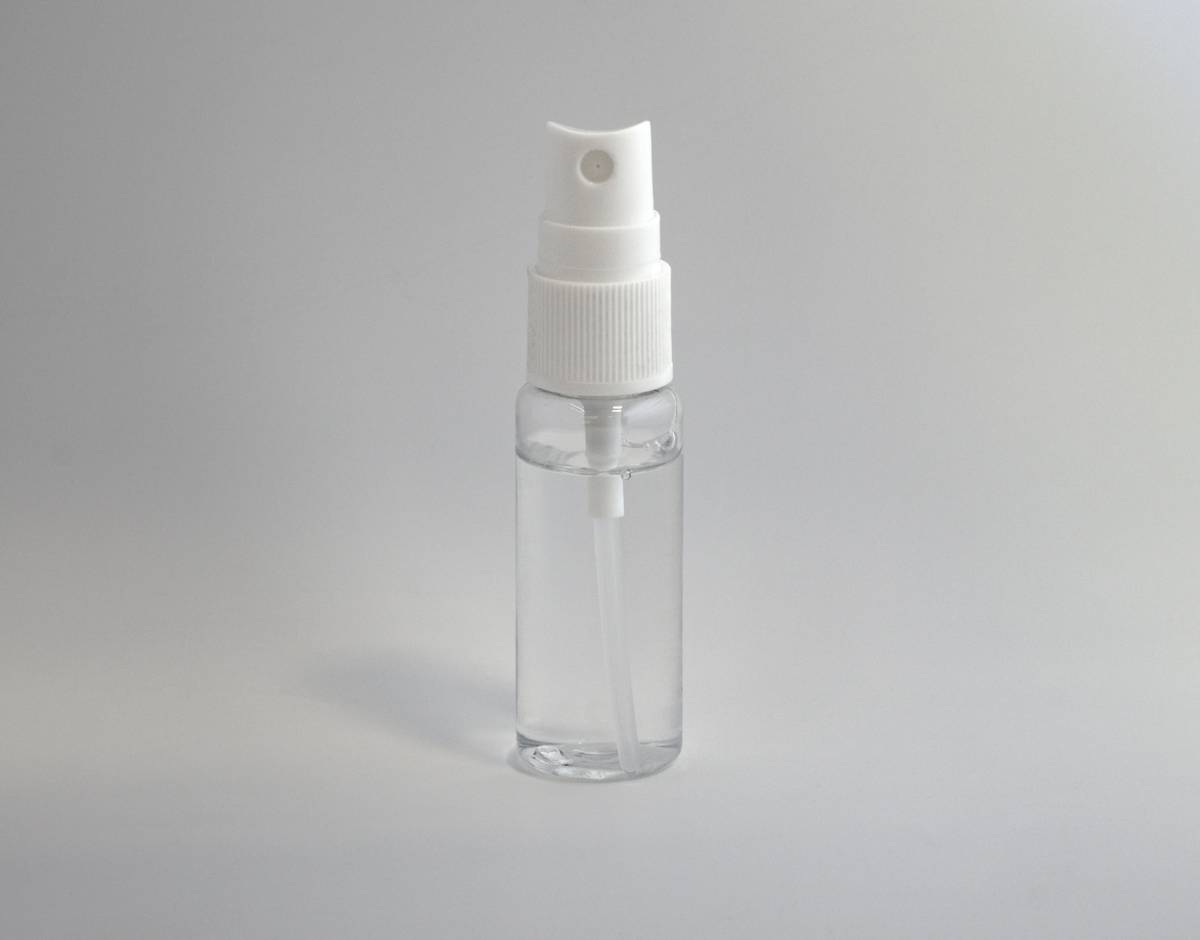
You’ll need: a 2-oz glass spray bottle (amber or cobalt protects oils from UV light), 1 tbsp high-proof vodka or rubbing alcohol (acts as a preservative and emulsifier), 10–15 drops of essential oil (e.g., lemon + eucalyptus for kitchens; lavender + cedarwood for bedrooms), and distilled water. Avoid plastic bottles—they degrade with essential oils.
Mix and Store
Pour the alcohol into the bottle first, then add essential oils. Swirl gently (don’t shake—it creates bubbles). Top off with distilled water, leaving ¼ inch headspace. Cap tightly and label with contents and date. Let it sit for 24 hours before first use to allow the scents to meld.
Usage Tips
Shake lightly before each spritz. Spray 2–3 times in small spaces: inside shoes, car cupholders, linen closets, or near trash bins. Never spray directly on fabrics or wood finishes—test first. A well-made mini natural air freshener lasts 3–4 weeks if stored away from heat and sunlight.
5 Best Practices for Long-Lasting, Non-Toxic Freshness
- Rotate your oils: Overuse of one scent causes olfactory fatigue. Switch blends weekly.
- Refresh, don’t replace: When the scent fades, top off with 5 drops of oil and a splash of water instead of making a new batch.
- Avoid these terrible tips: Don’t use vinegar as a base in spray fresheners—it reacts with essential oils and damages surfaces. (Yes, I tried it. My kitchen cabinet finish dulled instantly.)
- Double-duty ingredients: Tea tree oil isn’t just fresh—it’s antimicrobial. Perfect for gym bags or pet areas.
- Upcycle containers: Empty perfume vials or sample skincare bottles make perfect portable mini natural air freshener holders.
Real Results: From Stale Car Interiors to Pet Odors
Sarah K., a sustainable living blogger, tested a DIY mini natural air freshener in her SUV during summer 2023. Using 8 drops of grapefruit oil and 5 drops of peppermint in a 1.5-oz bottle, she eliminated fast-food and dog-hair odors within 48 hours. She reported the scent lasted 18 days—far longer than store-bought solid gels. Similarly, a trial by the University of Washington found that limonene (in citrus oils) reduced airborne bacteria by 42% in enclosed spaces—a bonus beyond mere fragrance (UW Indoor Air Quality Lab).
This isn’t just about smell. It’s about creating environments that support wellness. At Vexilornatquma, we believe every product—from deodorant to diffusers—should pass the “sniff test” of safety and sustainability.
FAQs About Natural Air Fresheners
Are mini natural air fresheners safe around pets?
Most essential oils are toxic to cats and some dogs. Avoid tea tree, eucalyptus, and citrus if you have pets. Opt for pet-safe options like chamomile or frankincense, and always diffuse in well-ventilated areas—not confined spaces.
How long does a homemade mini natural air freshener last?
Typically 2–4 weeks. Alcohol-based versions preserve longer than water-only mixes. Discard if cloudy or moldy.
Can I use tap water instead of distilled?
No. Tap water contains minerals and microbes that shorten shelf life and may react with oils. Distilled water is cheap and widely available.
Do these actually eliminate odors or just cover them up?
Natural fresheners neutralize odors through oxidation (alcohol) and antimicrobial action (essential oils), unlike synthetic sprays that merely mask smells with stronger fragrances.
Where’s the best place to put a mini natural air freshener?
Small, high-odor zones: car interiors, shoe cubbies, under sinks, gym bags, and laundry hampers. Think “confined space + moisture = perfect candidate.”
Can I buy pre-made versions?
Yes—but read labels carefully. Many “natural” brands still use synthetic carriers. For fully transparent sourcing, check our contact page for trusted vendor recommendations.
Switching to a mini natural air freshener isn’t just a cleaner choice—it’s a quieter rebellion against hidden toxins in everyday products. And if you’re ready to ditch the guesswork, we’d love to help. Reach out via our Contact Us page. Worried about data privacy? Our full Privacy Policy explains how we protect your info.
Breathe deep. Smell clean. Live light.