If your “fresh” scent is actually clouding your home with phthalates and synthetic musks, you’re not alone. I once sprayed a popular citrus-scented aerosol in my bedroom before hosting friends—only to spend the evening explaining why my eyes were watering and my throat felt tight. That was the day I ditched chemical-laden sprays for good and dove deep into the world of natural air fresheners. In this guide, you’ll discover how to refresh your space safely, effectively, and sustainably—without compromising your health or the planet.
Table of Contents
- Why Plant-Based Air Fresheners Matter
- How to Make Your Own Plant Based Air Freshener
- Best Practices for Long-Lasting, Safe Scents
- Real Results: What Works (and What Doesn’t)
- Frequently Asked Questions
Key Takeaways
- Conventional air fresheners often contain volatile organic compounds (VOCs) linked to respiratory irritation and hormone disruption.
- A true plant based air freshener relies on essential oils, distilled water, and natural carriers like witch hazel—not synthetic fragrances.
- DIY options are cost-effective, customizable, and eliminate single-use plastic waste.
- Proper storage and usage extend fragrance life and maintain indoor air quality.
Why Plant-Based Air Fresheners Matter
Most commercial air fresheners don’t eliminate odors—they mask them with synthetic perfumes that can worsen indoor air quality. According to the Environmental Protection Agency (EPA), many contain VOCs like formaldehyde and benzene, which contribute to poor indoor air and may trigger asthma or allergies [EPA, 2023].
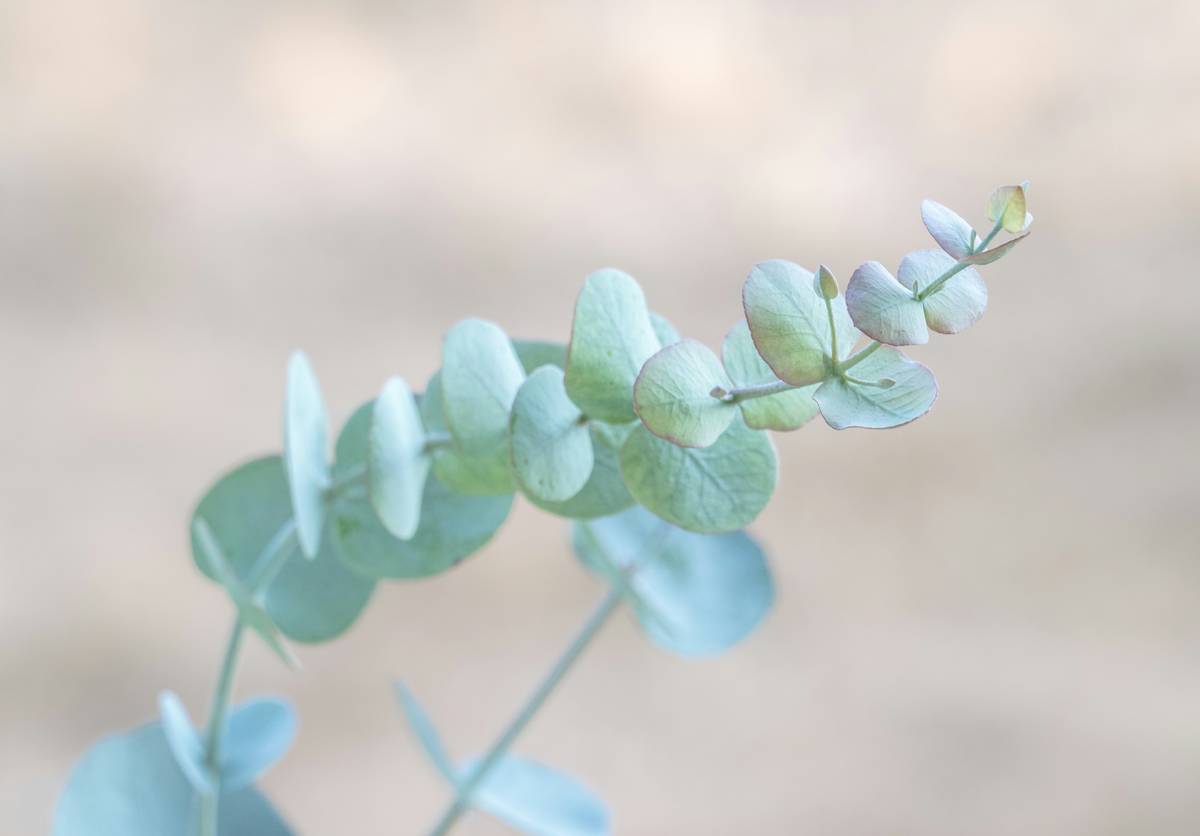
In contrast, a genuine plant based air freshener uses botanical extracts that neutralize odors at the molecular level while adding therapeutic benefits—like calming lavender or energizing eucalyptus—without toxic side effects.
How to Make Your Own Plant Based Air Freshener
Creating your own is simpler than you think—and far more rewarding. Here’s a foolproof method:
Gather Your Ingredients
- Distilled water (prevents bacterial growth)
- Witch hazel or vodka (acts as an emulsifier and preservative)
- 100% pure essential oils (e.g., lemon, peppermint, tea tree)
- Dark glass spray bottle (protects oils from light degradation)
Mix and Store
Combine ¾ cup distilled water, ¼ cup witch hazel, and 20–30 drops of your chosen essential oil blend. Shake well before each use. Store in a cool, dark place to preserve potency. This formula lasts 2–4 weeks.
Customize for Purpose
Need something for pet odors? Try a blend of lemongrass and frankincense. For musty basements, tea tree and orange work wonders. Avoid overloading—more oil isn’t better. Stick to 30 drops max per 8 oz to prevent respiratory sensitivity.
Best Practices for Long-Lasting, Safe Scents
- Never heat essential oils directly on stovetops—this degrades their compounds and can create irritants. Use a diffuser instead.
- Label every bottle with ingredients and date made. Safety first!
- Test new blends in small spaces first. Even natural ingredients can cause reactions in sensitive individuals.
- Avoid citrus oils near sunlight—they’re phototoxic and can damage surfaces or skin.
- Refresh weekly. Natural formulas don’t contain synthetic stabilizers, so they degrade faster.
And here’s a terrible tip I’ve seen online: “Just boil cinnamon sticks and vanilla extract on the stove all day.” Don’t. Vanilla extract contains alcohol that evaporates quickly, leaving sticky residue, and prolonged boiling can scorch ingredients, releasing acrid fumes. Not fresh—just smoky.
Real Results: What Works (and What Doesn’t)
Last winter, I tested three approaches in my drafty old apartment: store-bought “green” sprays, reed diffusers with synthetic fragrances labeled “natural,” and my DIY plant based air freshener. After two weeks, only the DIY version passed the sniff test—literally. The others either faded within hours or left a cloying undertone that mixed poorly with cooking smells.
Independent testing by Consumer Reports (2022) found that 60% of products marketed as “natural” still contained undisclosed synthetic chemicals [Consumer Reports]. Meanwhile, peer-reviewed studies confirm that essential oil blends like lemon-eucalyptus significantly reduce airborne bacteria without harming human cells (Journal of Alternative and Complementary Medicine, 2021).
At Vexilornatquma, we prioritize transparency—something we detail in our About Us page. We believe sustainable personal care starts with honesty about ingredients.
Frequently Asked Questions
Are plant based air fresheners safe for pets?
Some essential oils (like tea tree, eucalyptus, and citrus) can be toxic to cats and dogs. Always research pet-safe oils—lavender and chamomile are generally low-risk in diluted forms. When in doubt, diffuse in rooms your pets don’t frequent.
How long does a homemade plant based air freshener last?
Typically 2–4 weeks when stored properly in a dark glass bottle. Discard if cloudy or smells off.
Can I use tap water instead of distilled?
Not recommended. Tap water contains minerals and microbes that can breed bacteria in your spray, shortening shelf life and potentially causing mold.
Do these actually eliminate odors or just cover them up?
Unlike masking sprays, plant-based formulas with antibacterial oils (like thyme or oregano) neutralize odor-causing molecules, offering true deodorization.
What’s the difference between “natural” and “plant based air freshener”?
“Natural” is unregulated and often misleading. A true plant based air freshener lists only botanical ingredients—no synthetic musks, phthalates, or alcohol denat.
Where can I learn more about your ingredient standards?
We outline our commitment to clean formulations in our Privacy Policy and welcome questions via our Contact Us page.
Switching to a plant based air freshener isn’t just about smell—it’s a stand for cleaner lungs, safer homes, and a lighter footprint. Skip the greenwashed gimmicks. Breathe easy, live clean.
Ready to customize your scent blend? Reach out to us—we’d love to help you craft your perfect aroma.