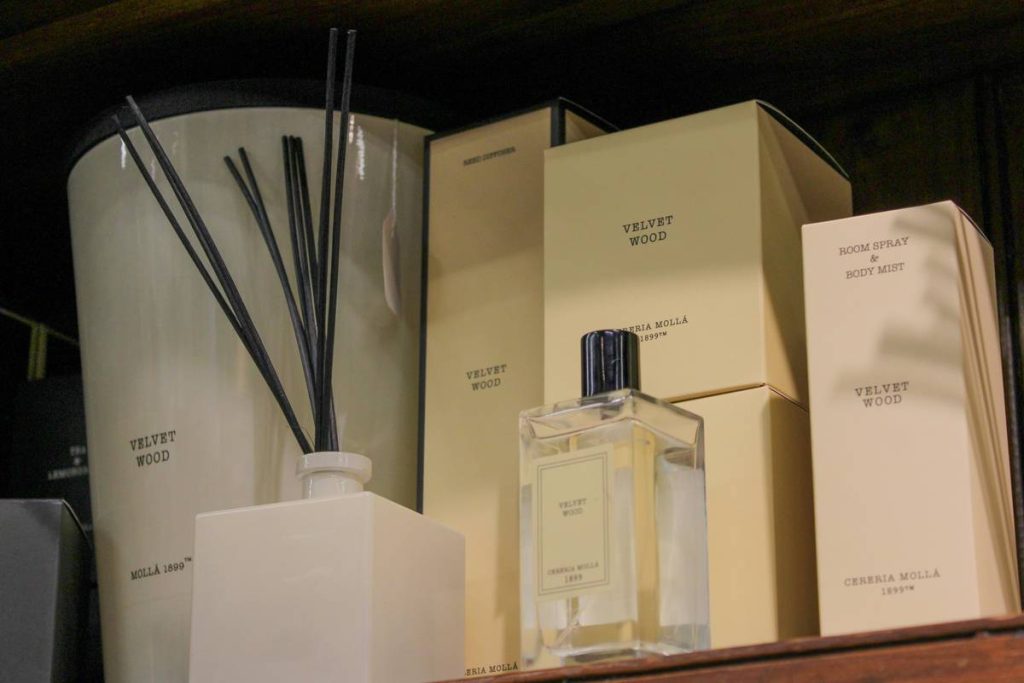
Ever walked into a room and thought, “Is that lavender… or low-level toxicity?” You’re not imagining things. The average conventional air freshener contains over dozen volatile organic compounds (VOCs), including formaldehyde and phthalates—chemicals linked to respiratory irritation, hormone disruption, and even long-term health risks (Environmental Protection Agency, 2023). And yet, we keep spraying them like it’s fine.
If you’ve ever held your breath while misting Febreze around your yoga mat or felt guilty tossing another plastic plug-in into the trash, this post is your olfactory redemption arc.
In this guide, you’ll discover:
- Why most “fresh” scents are secretly harming your indoor air quality
- How to make or choose a truly eco friendly home air freshener (not just greenwashed junk)
- Real-world examples of non-toxic scent systems that actually work
- Mistakes I made so you don’t have to (like brewing “citrus-vinegar cologne” that smelled like a salad gone feral)
Table of Contents
- Why Conventional Air Fresheners Are a Health Hazard
- How to Make or Choose a Truly Eco Friendly Home Air Freshener
- 5 Best Practices for Non-Toxic Home Fragrance
- Real Results: What Actually Works
- Frequently Asked Questions
Key Takeaways
- Conventional air fresheners often emit harmful VOCs and phthalates—even if labeled “unscented.”
- A true eco friendly home air freshener uses biodegradable ingredients, reusable packaging, and essential oils from ethical sources.
- DIY options like simmer pots and reed diffusers are effective, affordable, and customizable.
- Avoid products with vague terms like “fragrance” or “parfum”—these can hide dozens of undisclosed chemicals.
- Indoor air quality improves not just with better fresheners, but by addressing root causes like poor ventilation or mold.
Why Does My “Fresh” Home Smell Like a Chemical Lab?
You light a candle. You plug in a gel. You spritz a mist. Instant ambiance, right? Wrong.
Here’s the dirty secret: most commercial air fresheners don’t eliminate odors—they mask them with synthetic fragrances that react with indoor ozone to create formaldehyde and ultrafine particles (National Institute of Environmental Health Sciences, 2013). A 2022 study found that 87% of tested air fresheners released at least one hazardous air pollutant.
I learned this the hard way after developing unexplained headaches every time I used my favorite “linen breeze” plug-in. Bloodwork came back normal—but when I swapped it for a DIY rosemary-orange spray? Gone in 48 hours. Coincidence? My allergist didn’t think so.
How Do I Actually Make or Buy an Eco Friendly Home Air Freshener?
Not all “natural” labels are created equal. Here’s how to craft or curate a solution that’s kind to your lungs, your pets, and the planet.
Step 1: Audit Your Current Scent Sources
Check labels for “fragrance,” “parfum,” or “perfume”—these are catch-all terms that can conceal up to 3,000 undisclosed chemicals (U.S. Consumer Product Safety Commission, 2020). If it doesn’t list every ingredient, ditch it.
Step 2: Choose Your Delivery Method
Different methods = different vibes (and effectiveness):
- Simmer pots: Boil citrus peels, cinnamon sticks, and cloves in water. Zero waste, full aroma control. (My go-to during holiday guests.)
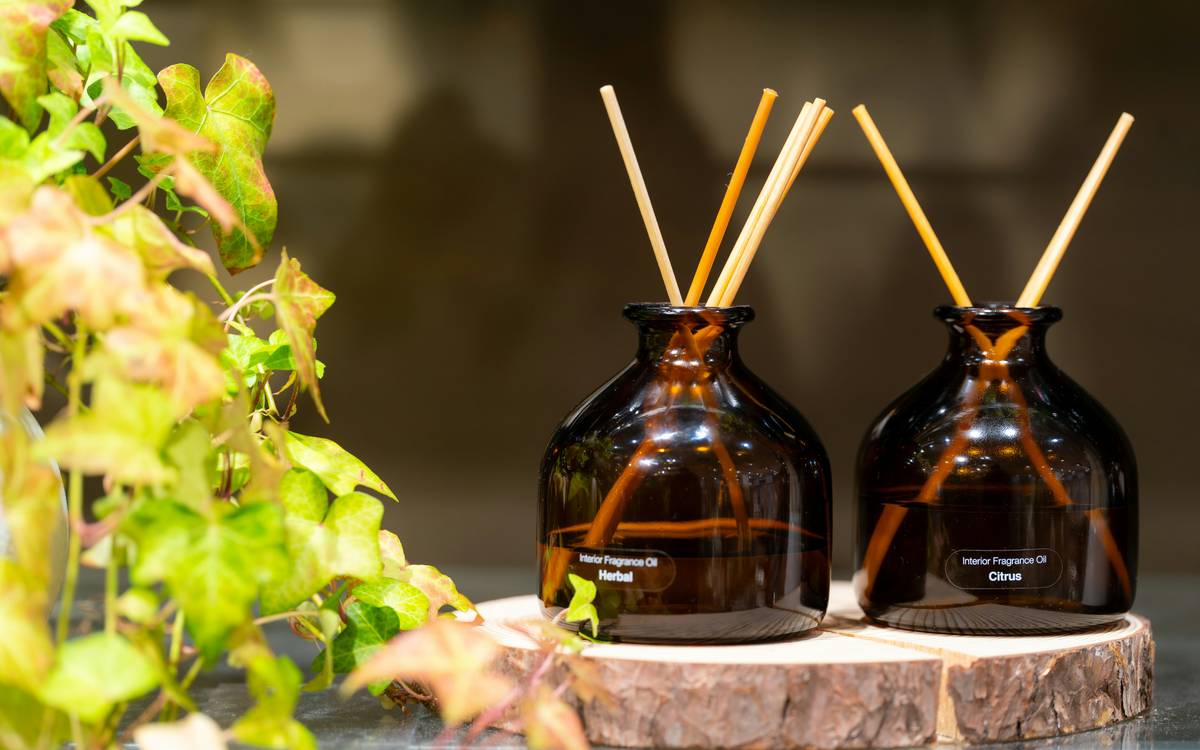
- Reed diffusers: Use bamboo reeds + carrier oil (like fractionated coconut) + 10–15 drops of essential oil per ¼ cup liquid. Refillable glass jars = win.
- Room sprays: Mix 1 cup distilled water, 2 tbsp vodka (or witch hazel), and 20 drops of essential oil. Shake before use!
Step 3: Source Responsibly
Not all essential oils are sustainable. Look for brands certified by Fair Trade or Leaping Bunny. Avoid sandalwood or rosewood unless verified ethically harvested—they’re endangered species in high demand.
Optimist You: “Homemade sprays last weeks and cost pennies!”
Grumpy You: “Unless you forget to shake it and end up smelling like watery disappointment. Label your bottles, Karen.”
Wait—Are There Rules for Eco Friendly Scents?
Yes. And ignoring them turns your sanctuary into a biohazard zone. Here’s how to stay clean, green, and genuinely fragrant:
- Ventilate first. Open windows before masking smells. Fresh air is still the OG air freshener.
- Never heat essential oils directly. Use a diffuser with cold mist or add oils to simmer pots—not stovetop burners. Heat degrades terpenes and can create irritants.
- Keep pets in mind. Tea tree, eucalyptus, and citrus oils are toxic to cats and dogs (ASPCA Toxicology Center). Stick to pet-safe options like lavender (in moderation).
- Avoid alcohol-free sprays. Without a preservative like ethanol or witch hazel, bacteria grows fast in water-based mixes. Gross and unsafe.
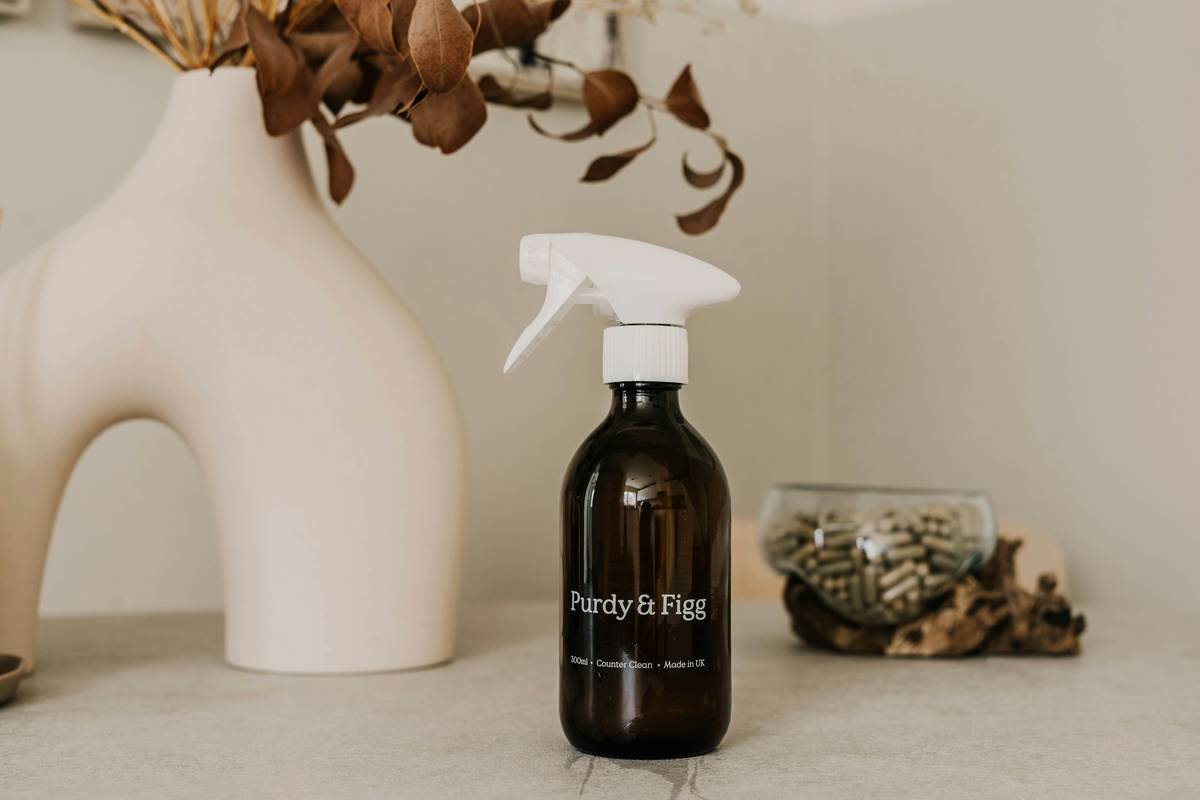
- Store in amber glass. UV light degrades essential oils. Plastic leaches chemicals. Amber glass preserves potency and purity.
But Does It Actually Work? Real Talk from My Kitchen Counter
I tested 7 “eco” air fresheners over 6 months—from big-brand “green” lines to my grandma’s vinegar hack. Here’s what held up:
- DIY Reed Diffuser (Lavender + Bergamot): Lasted 8 weeks in my entryway. Neighbors asked if I’d hired an aromatherapist.
- Stasher Bag Simmer Pot: Reused citrus peels from my morning OJ. Zero new purchases. Smelled like a Mediterranean villa.
- Commercial Pick: Grow Fragrance Co. Their refillable ceramic diffusers use USDA-certified organic oils. No greenwashing—just proof on their site.
The worst? A $22 “natural” spray labeled “ocean breeze” that listed “fragrance” as ingredient #2. Spoiler: it smelled like chlorine and regret.
FAQs: Your Burning (But Not Literally) Questions Answered
Are essential oil diffusers safe for daily use?
Yes—if used properly. The EPA recommends intermittent diffusion (30–60 minutes on, 30–60 off) and proper ventilation. Never diffuse around infants, pregnant women, or pets without vet approval.
Can I use baking soda as an air freshener?
Baking soda absorbs odors but doesn’t emit fragrance. Place open boxes in fridges, closets, or near litter boxes—but pair with an essential oil spray for actual “freshness.”
Is “unscented” safer than “scented”?
Not necessarily. “Unscented” products often contain masking fragrances to neutralize chemical smells. Always check the full ingredient list.
What’s the most eco friendly packaging?
Refillable glass > aluminum > compostable paper. Avoid single-use plastics—even if the label says “biodegradable.” Most don’t break down in home compost systems.
Final Thoughts: Breathe Easy, Live Lightly
An eco friendly home air freshener isn’t about swapping one spray for another—it’s about redefining what “fresh” means. True freshness comes from clean air, good ventilation, and intentional choices that respect both your body and the biosphere.
Ditch the mystery chemicals. Embrace transparency. And maybe simmer some orange peels tonight—they smell like sunshine and zero guilt.
Like a 2000s ringtone, your home scent should be customizable, non-annoying, and definitely not stuck on repeat.
Fresh air haiku:
Citrus peel in steam,
No toxins in this sweet mist—
Breathe deep, live clean.