Your home smells like a chemical factory disguised as “fresh linen.” You spray, plug in, or light up hoping for calm—but instead get headaches, mystery allergies, and guilt over single-use plastic. Natural home scent recipes aren’t just cleaner—they’re smarter. And they cost pennies.
Why Commercial Air Fresheners Are Failing You
That “ocean breeze” plug-in? It’s masking odors with synthetic fragrances—many of which the EPA classifies as volatile organic compounds (VOCs). And “unscented” doesn’t mean safe; it often means masking agents are hiding other chemicals.
Here’s the reality: your nose adapts. Within 20 minutes, you stop smelling that lavender mist—and the underlying dog odor returns stronger than before. Worse, these products rarely neutralize smells. They just layer perfume over rot.
And yes—most “eco-friendly” brands still rely on alcohol bases, preservatives, and lab-made isolates that may be non-toxic but certainly aren’t natural.
Natural Home Scent Recipes: DIY Methods That Deliver
Forget complicated distillations. These five approaches use pantry staples, require zero special equipment, and last longer than store-bought sprays—if you understand the science behind volatility and evaporation.
Simmer Pots: The Slow-Release Powerhouse
Toss citrus peels, cinnamon sticks, whole cloves, and rosemary into a pot of water. Simmer on low heat all day. The steam carries essential oils into the air without burning them—a gentle, humidifying diffusion method our ancestors perfected.
Reed Diffusers: Set-and-Forget Elegance
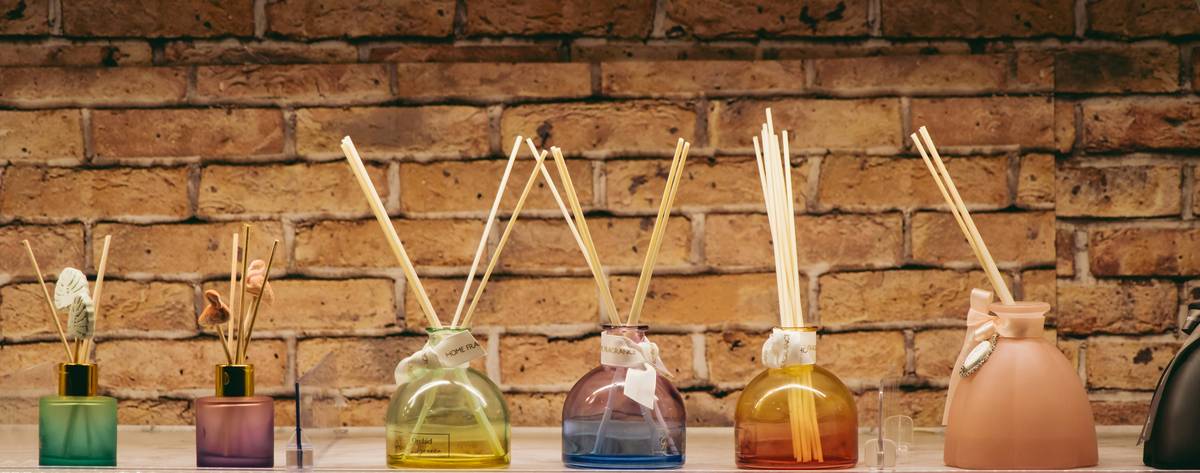
Mix 1/2 cup fractionated coconut oil with 30 drops of essential oils (e.g., bergamot + vetiver). Pour into a narrow glass bottle. Insert bamboo reeds. Flip weekly. Lasts 8–12 weeks. No flame, no electricity—just passive capillary action doing the work.
Mist Sprays: Instant Refresh Without Residue
Combine 1 cup distilled water, 2 tbsp witch hazel (as an emulsifier), and 15–20 drops essential oil. Shake before each use. Spray on curtains, linens, or pet beds. Avoid direct wood or silk—water-based mists can leave rings if overapplied.
Dry Sachets: Silent Scent for Drawers & Closets
Blend dried lavender buds, dried orange peel, and a pinch of ground cardamom. Toss into a muslin bag. Place in linen closets or shoe cabinets. Recharge monthly by adding 2–3 drops of matching essential oil directly onto the herbs.
Baking Soda Blends: Odor Neutralizers, Not Maskers
Baking soda doesn’t just absorb—it chemically neutralizes acidic and basic odor molecules. Mix 1 cup baking soda with 10 drops tea tree oil and 10 drops lemon oil. Leave in a shallow dish near trash cans or litter boxes. Replace every 3 weeks.
| Method | Initial Cost | Duration | Best For |
|---|---|---|---|
| Simmer Pot | $0 (uses kitchen scraps) | 4–6 hours per batch | Entertaining, winter days |
| Reed Diffuser | $8–$12 | 2–3 months | Bedrooms, bathrooms |
| Mist Spray | $5–$7 | 3–4 weeks | Quick refresh, fabrics |
| Dry Sachet | $3–$6 | 1–2 months | Closets, drawers |
| Baking Soda Blend | $2–$4 | 3 weeks | High-odor zones |
The Industry Secret: Scent Layering Beats Single Notes
Most DIY guides tell you to pick one oil—“lavender for calm,” “citrus for energy.” That’s amateur hour. Professional perfumers work in chords: top, middle, and base notes that unfold over time.
Try this: combine grapefruit (top note, sharp and bright), clary sage (middle note, herbal depth), and cedarwood (base note, woody anchor). In a reed diffuser, this trio evolves over hours—smelling completely different at 9 a.m. versus 9 p.m. That complexity fools your brain into perceiving the space as “cleaner” because it mimics real environments, not static artificial scents.
You won’t find this in Pinterest tutorials. Big fragrance brands don’t want you knowing you can replicate luxury olfactory design with $15 of oils from a health food store.
Frequently Asked Questions
Do natural home scent recipes actually eliminate odors?
Yes—but selectively. Baking soda neutralizes acid/base odors (like smoke or pet urine). Simmer pots mask with pleasant volatiles. For true elimination, pair scenting with source removal and ventilation.
Are essential oils safe around pets?
Not all. Avoid tea tree, eucalyptus, and citrus oils around cats. Dogs tolerate most in well-ventilated spaces—but never diffuse directly in their sleeping area. When in doubt, stick to physical methods like simmer pots placed out of reach.
How long do homemade air fresheners last?
Water-based sprays: 3–4 weeks refrigerated. Oil-based diffusers: 8–12 weeks. Dry sachets lose potency after 6 weeks but can be refreshed with a few drops of essential oil.