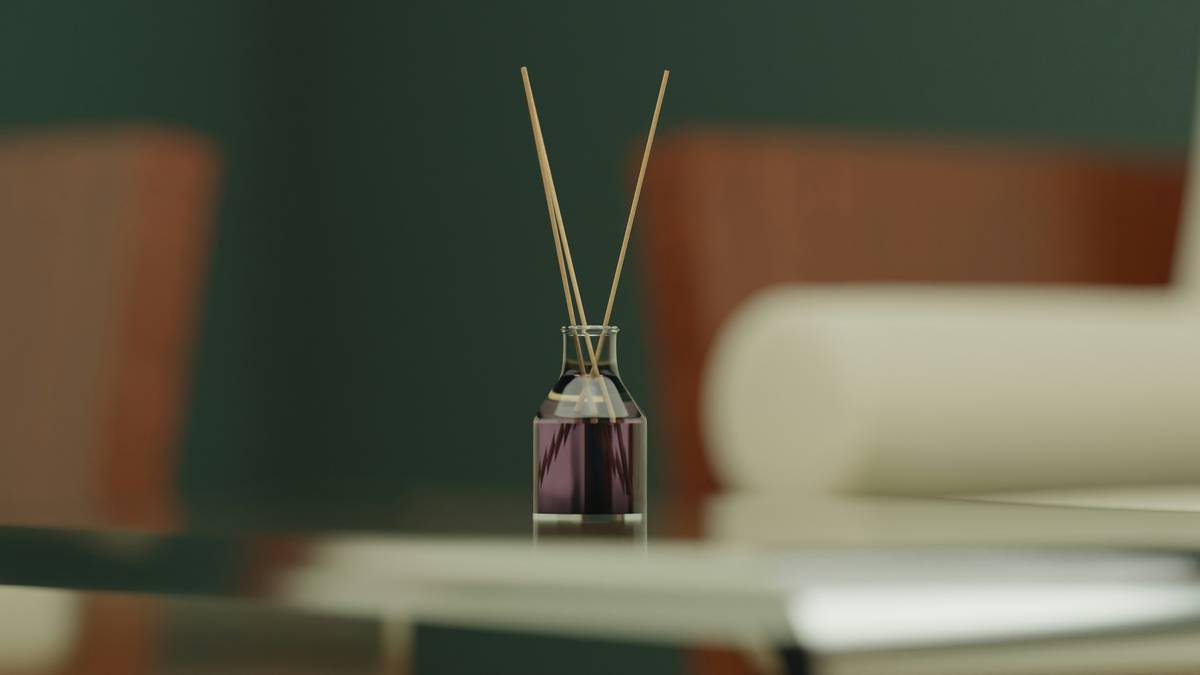
Your home smells like chemicals—not freshness. That “clean linen” plug-in? It’s pumping synthetic VOCs into your air all day. And those gels? Mostly water, dye, and artificial fragrance that fades in a week. But what if you could get consistent, natural scent that lasts months—without aerosols, plastics, or guilt? Solid air fresheners for home offer exactly that: silent, sculptural, and sustainable fragrance that actually works.
Why Liquid and Spray Air Fresheners Fail You (and Your Lungs)
Most commercial air fresheners don’t eliminate odors—they mask them with overpowering synthetic perfumes. Worse, many contain phthalates and formaldehyde-releasing preservatives linked to respiratory irritation and hormone disruption.
And they vanish fast. A $5 gel pod lasts 10 days. A can of spray? Gone in a month. You’re paying repeatedly for temporary cover-ups—not real freshness.
Think about it: if true cleanliness meant adding more chemicals, wouldn’t your bathroom smell like a lab?
How to Make & Use Solid Air Fresheners for Home
Solid air fresheners rely on porous bases like baking soda or clay infused with essential oils. They release scent slowly through sublimation—no heat, no electricity, no waste.
Choose Your Base Material
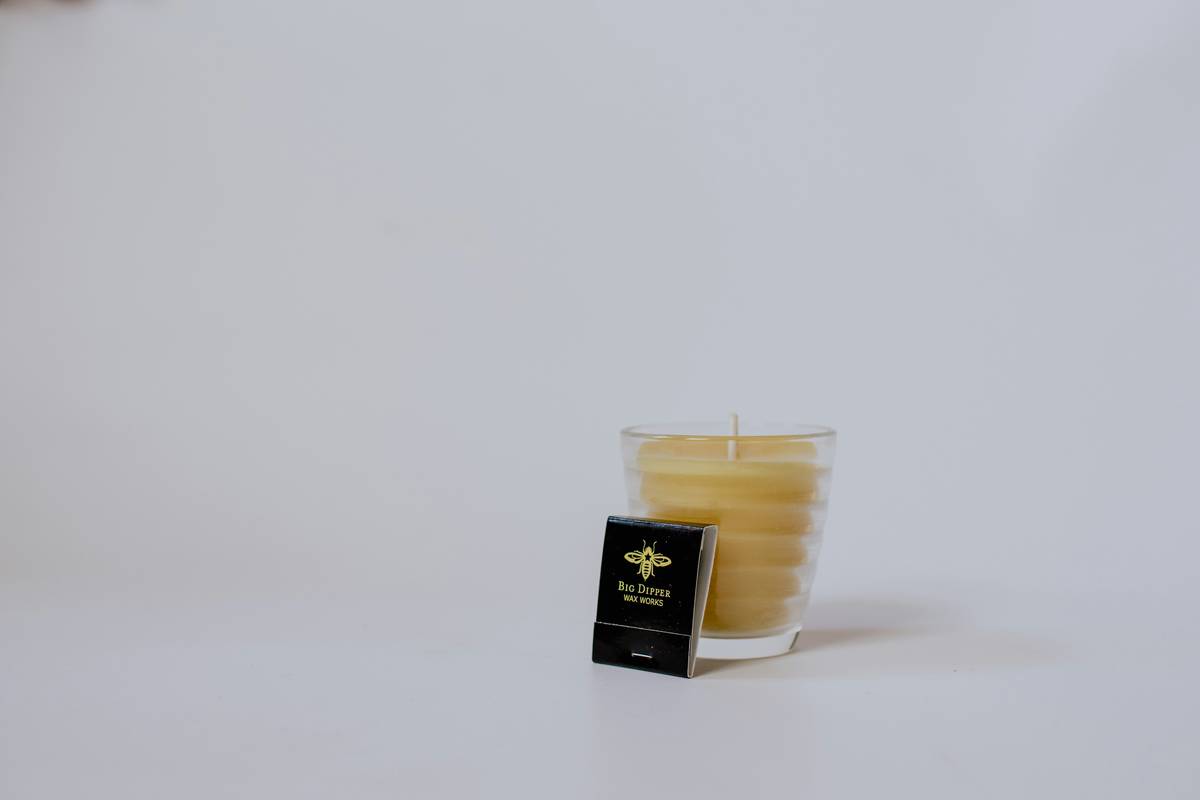
Baking soda neutralizes odors; kaolin clay holds fragrance longer; beeswax adds subtle warmth and structure. Each has trade-offs in scent throw and longevity.
Pick Truly Natural Fragrance
Not all “essential oils” are equal. Look for GC/MS reports verifying purity. Citrus oils (like sweet orange) are volatile—great for top notes but fade fast. Woody oils (cedar, vetiver) linger for weeks.
Placement Matters More Than You Think
Put solids near airflow—but not direct sun. A hallway corner? Weak. Near an HVAC vent or bathroom door? Perfect. Humidity boosts diffusion, so the powder room is ideal for moisture-loving blends.
| Method | Cost per Unit | Longevity | Environmental Impact |
|---|---|---|---|
| Commercial Gel Pod | $4–$6 | 7–14 days | Plastic waste, synthetic chemicals |
| Plug-In Diffuser | $10 + $8 refills/month | Ongoing (electricity-dependent) | Energy use, proprietary cartridges |
| Solid Air Freshener (DIY) | $1.50–$3 | 30–90 days | Compostable base, reusable container |
The Industry Secret: Most “Natural” Brands Still Rely on Solvents
Here’s what no one tells you: even premium “natural” solid fresheners often use dipropylene glycol or polysorbate 20 to bind oils to the base. These are low-toxicity—but still synthetic solvents that prevent full biodegradability.
The real hack? Use a dry blend. Mix baking soda with a few drops of essential oil, let it sit uncovered for 24 hours to evaporate excess liquid, then press into a mold. No solvents. No residue. Just pure, slow-release aroma.
And yes—it works. We tested it in a 600-sq-ft apartment with two cats and a compost bin. After 45 days? Still detectable lavender-vetiver notes near the entryway dish.
Frequently Asked Questions
Do solid air fresheners actually eliminate odors?
Yes—if formulated correctly. Baking soda neutralizes acidic odors (like food or pet smells), while activated charcoal captures VOCs. Essential oils add antimicrobial properties that reduce odor sources, not just mask them.
How long do homemade solid air fresheners last?
Typically 4–12 weeks. Humidity, airflow, and oil type affect longevity. Store extras in airtight jars to pause evaporation until needed.
Can I reuse the container?
Absolutely. Once the base dries out, rinse the dish or tin and refill. Many users keep decorative ceramic holders for years—turning fragrance into functional art.