Commercial air fresheners promise freshness—but deliver synthetic fragrances, hidden phthalates, and a false sense of cleanliness. You spray, you breathe deep… and you’re really just perfuming polluted air. The solution isn’t buying “greenwashed” alternatives. It’s learning how to make natural home scents that purify while they perfume.
Why Store-Bought “Natural” Air Fresheners Fail
Most products labeled “natural” still rely on fragrance oils derived from petrochemicals—not plants. And even essential oil sprays often use alcohol bases that evaporate too fast, leaving zero lingering scent. Worse: many contain undisclosed allergens or sensitizers disguised under the umbrella term “fragrance.” Regulatory loopholes mean manufacturers don’t have to reveal what’s truly inside.
You’re paying premium prices for diluted aromas that disappear in 20 minutes. Meanwhile, your indoor air quality worsens. Not exactly sustainable living.
How to Make Natural Home Scents
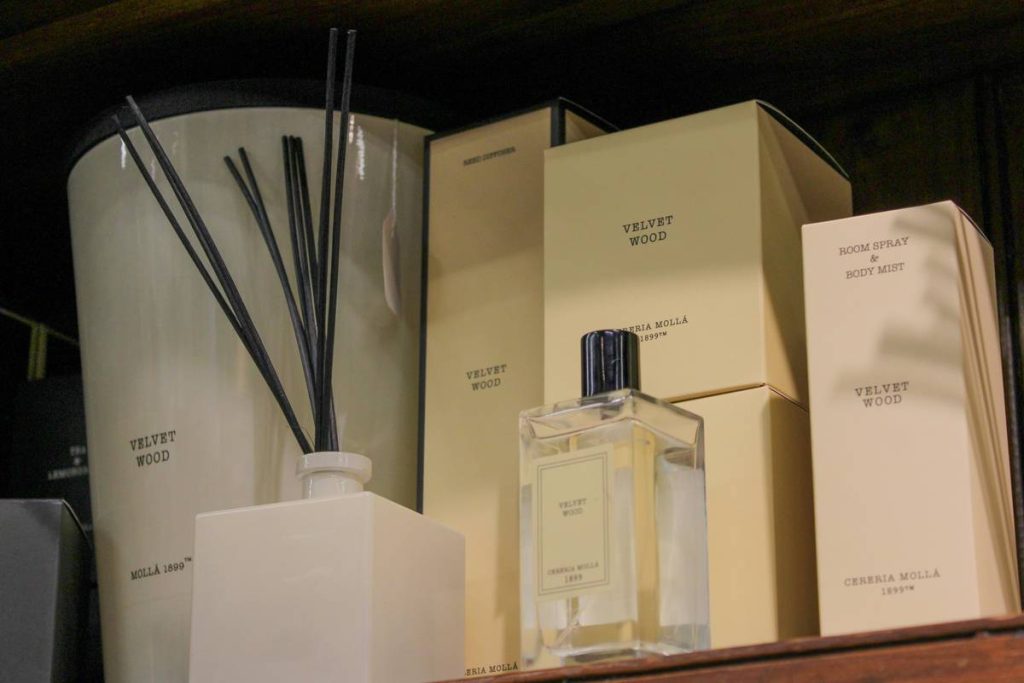
Forget sprays that vanish. Real scent longevity comes from slow-release carriers like simmer pots, reed diffusers, and beeswax blends. Below is a battle-tested comparison of four methods—ranked by cost, duration, and air-purifying power.
| Method | Cost (First Use) | Scent Duration | Air-Purifying Effect? |
|---|---|---|---|
| Simmer Pot (Citrus + Herbs) | $0–$3 (pantry scraps) | 2–4 hours per batch | Yes — steam carries antimicrobial compounds |
| Reed Diffuser (Essential Oils + Carrier) | $8–$15 | 4–8 weeks | No — purely aromatic |
| Beeswax + Essential Oil Melts | $6–$12 | 6–10 hours per melt | Yes — beeswax releases negative ions |
| Vinegar + Essential Oil Spray | $2–$5 | 15–30 minutes | Yes — vinegar neutralizes odors chemically |
Simmer Pots: The Forgotten Powerhouse
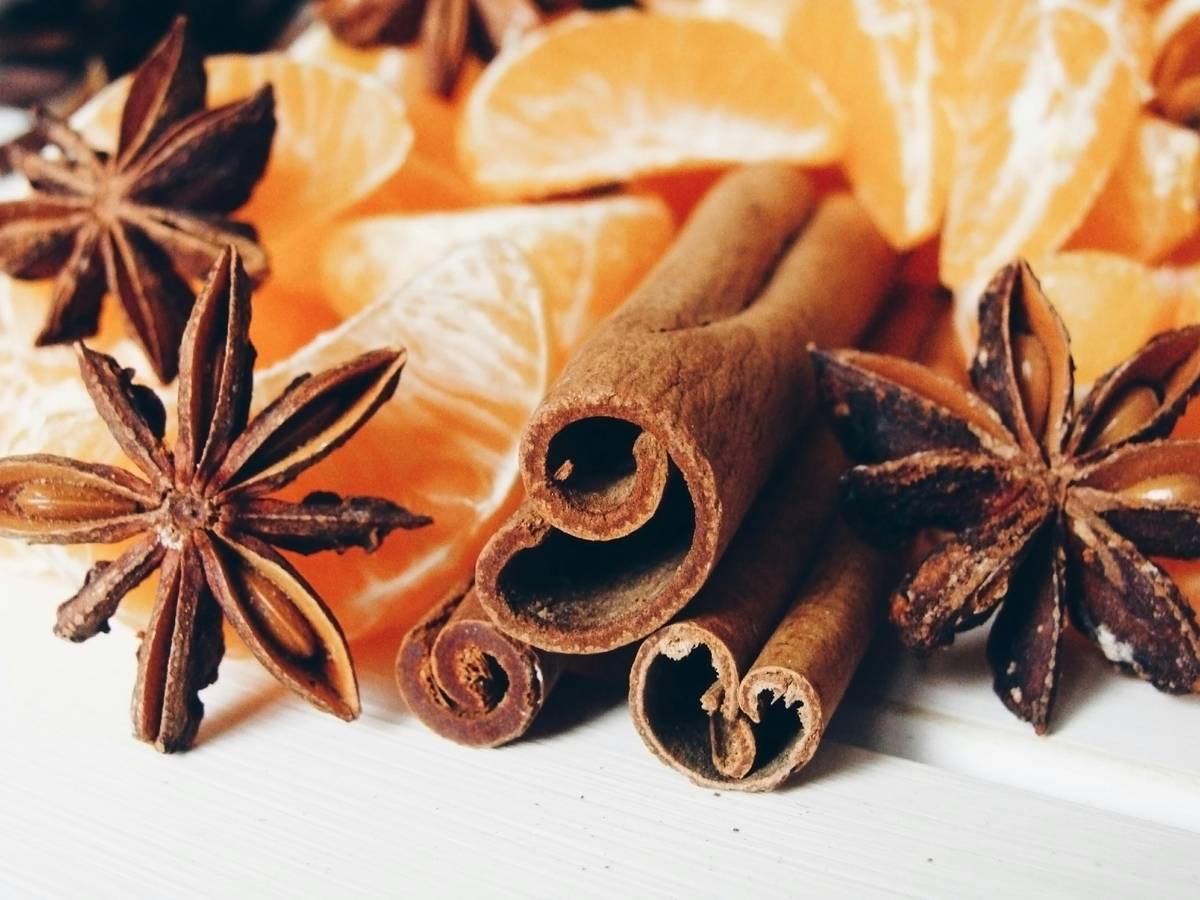
Toss orange peels, cinnamon sticks, rosemary, and a few cloves into a pot of water. Simmer on low heat all day. The steam doesn’t just carry scent—it disperses plant-based antimicrobials into the air. Bonus: it humidifies dry winter air without mold risk.
Reed Diffusers Done Right
Use fractionated coconut oil or sweet almond oil as your base—never alcohol. Add 20–30 drops of essential oil per ¼ cup carrier. Flip reeds weekly. Pro tip: blend top (citrus), middle (floral), and base (woody) notes for complexity that lasts.
Beeswax Melts with Purpose
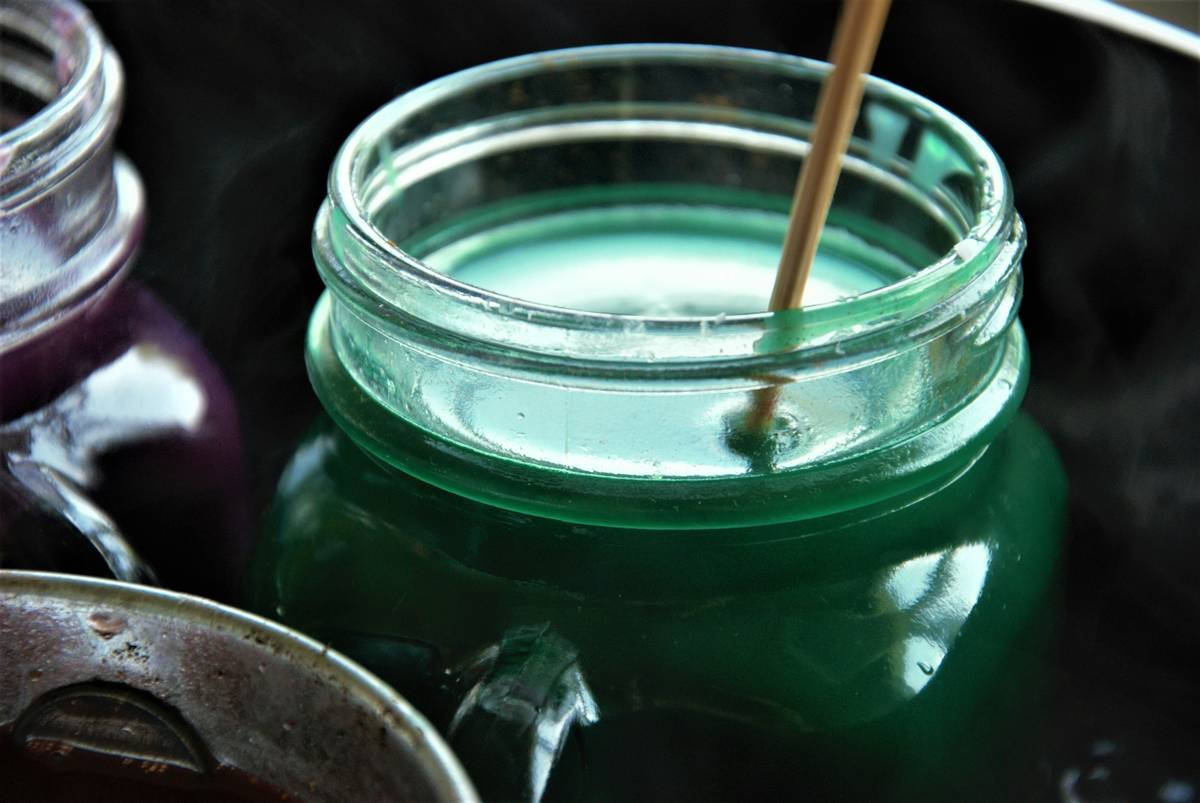
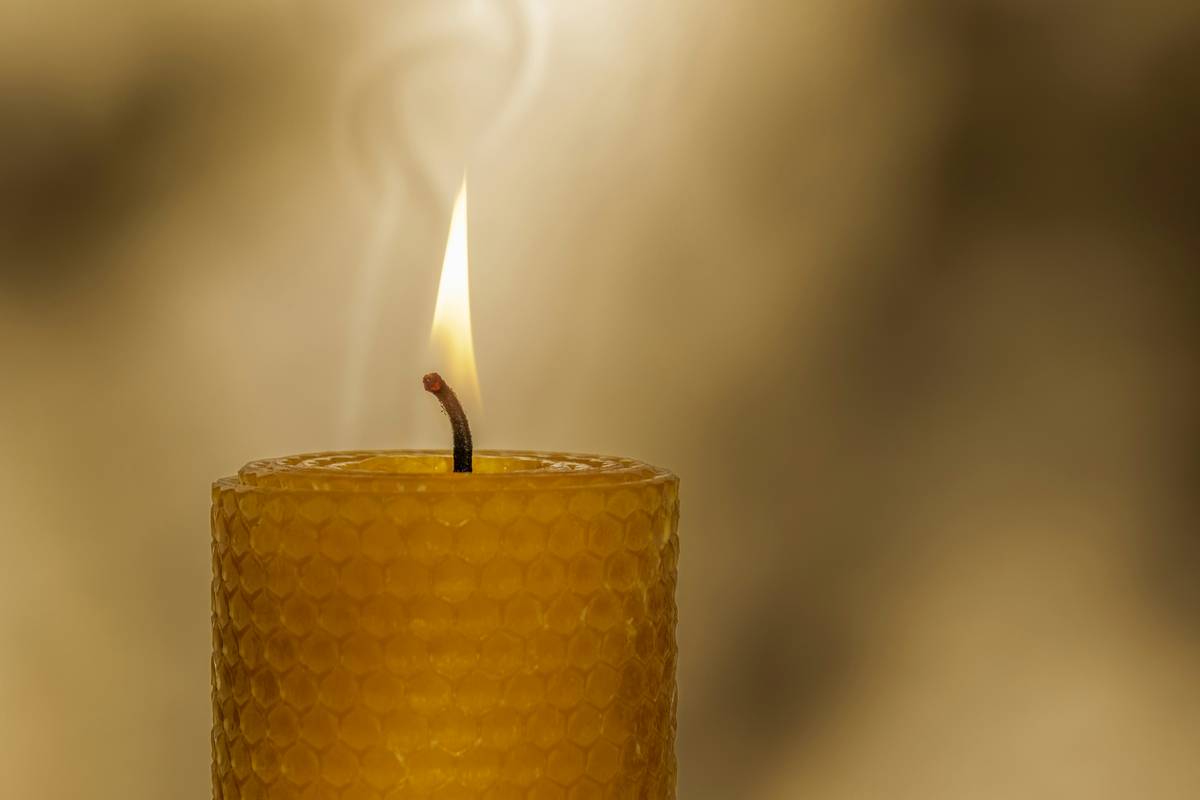
Melt pure beeswax pastilles, stir in 10–15 drops of oil like lavender or eucalyptus, then pour into silicone molds. When warmed in a tart burner, the wax releases scent slowly—and captures airborne dust particles via negative ion emission. A rare dual-action solution.
The Industry Secret No One Talks About
Here’s the reality: scent molecules behave differently based on humidity and room temperature. Most DIY guides ignore this. But if your home sits below 40% relative humidity, citrus and mint notes will vanish within an hour—no matter how much oil you use. Why? Dry air accelerates evaporation of volatile top notes.
The fix? Pair high-evaporation oils with fixatives. Vanilla absolute, benzoin resin, or even a teaspoon of vegetable glycerin in your diffuser blend slows release and adds depth. This trick is used in luxury perfumery—but rarely shared in “natural living” circles. And it costs pennies.
Frequently Asked Questions
Can I use tap water in my simmer pot?
Yes—but hard water leaves mineral deposits. Distilled water extends the life of your pot and keeps scent clean.
How long do homemade reed diffusers last?
4–8 weeks. Flip reeds every 5–7 days to refresh scent throw. Replace oil if it thickens or smells rancid.
Are essential oils safe around pets?
Not all are. Avoid tea tree, eucalyptus, and citrus oils if you have cats. Dogs tolerate more—but always diffuse in well-ventilated areas and never apply directly.