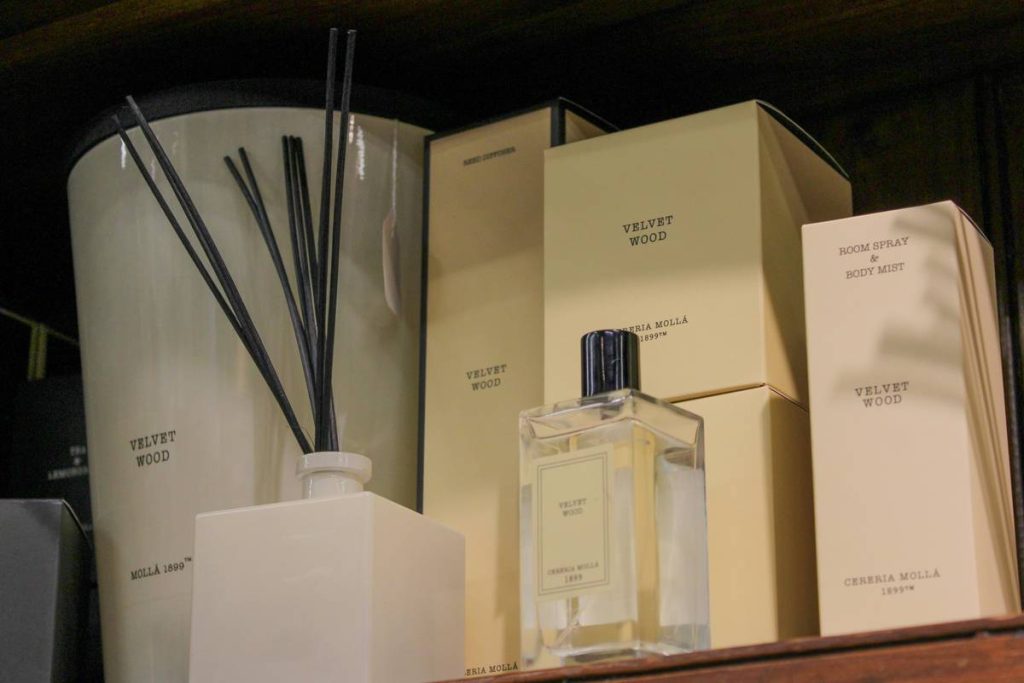
That “fresh linen” plug-in? It’s quietly pumping synthetic VOCs into your lungs. And those $30 luxury candles? Often just paraffin wax with a drop of essential oil theater. Your home deserves better—clean air shouldn’t cost your health. The fix? Real all natural home scents that actually work.
Why Most “Natural” Air Fresheners Are Still Toxic Theater
Marketing labels lie. “Fragrance-free” might still contain masking agents. “Made with essential oils” could mean 98% alcohol and 2% diluted scent. Even some DIY recipes rely on vinegar-water blends that do little beyond killing mildew—not creating lasting, pleasant aroma.
The truth? True scent sustainability isn’t just about ditching aerosols. It’s about sourcing, volatility, and how the fragrance interacts with air over time. Many so-called natural solutions evaporate in hours or leave behind sticky residues that attract dust—not exactly zen.
How to Craft Effective All Natural Home Scents (Without Wasting Money)
Forget store-bought gimmicks. Build your own system using three core principles: base longevity, scent layering, and passive diffusion. Here’s a battle-tested method that lasts weeks—not days.
Choose Your Carrier Base Wisely
Water alone won’t cut it. Opt for a mix of distilled water and vegetable glycerin (3:1). Glycerin slows evaporation, keeping your scent present without overwhelming intensity. Alcohol-based sprays? They dry too fast—fine for disinfecting, terrible for ambient fragrance.
Layer Essential Oils Like a Perfumer
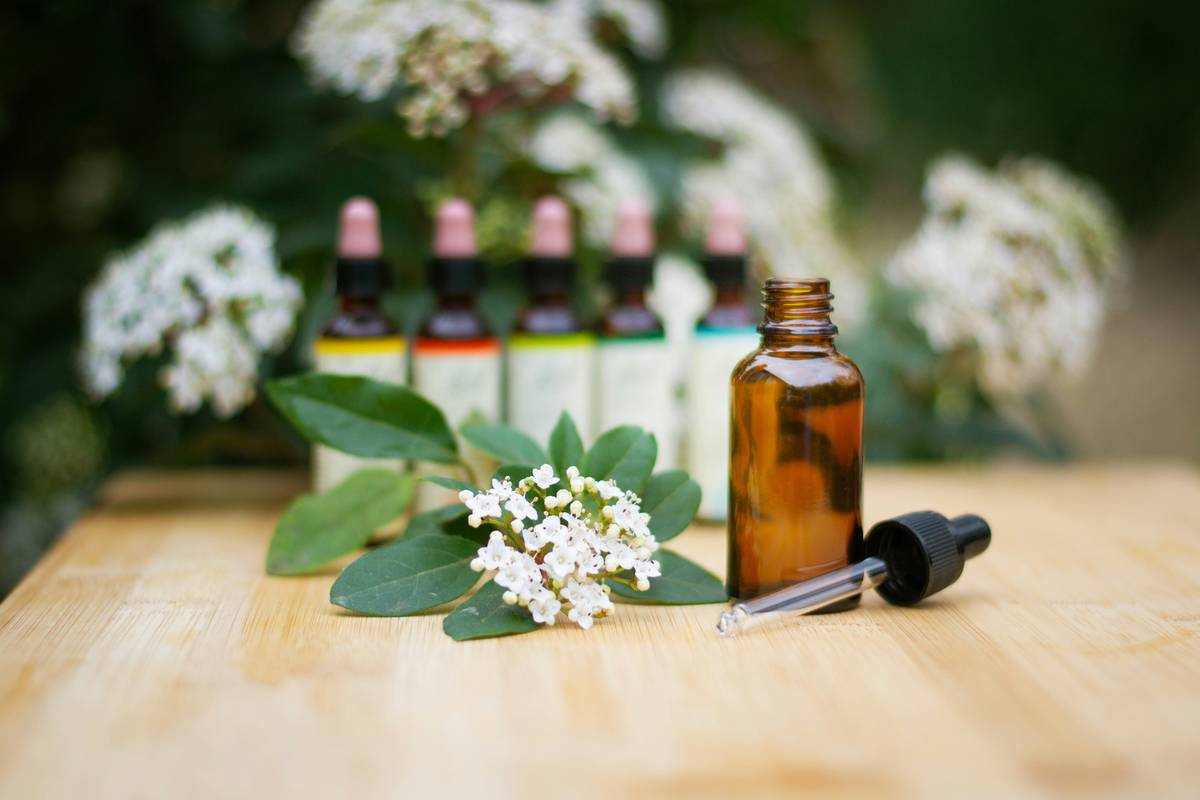
Use top, middle, and base notes. Citrus (top) lifts immediately but fades fast. Floral or herbal (middle) gives body. Woody or resinous oils like cedarwood or frankincense (base) linger for days. A balanced blend: 3 drops lemon + 2 drops lavender + 1 drop vetiver per ounce of carrier.
Passive Diffusion > Active Spraying
Spraying wastes oil and creates uneven scent clouds. Instead, use porous materials: unglazed ceramic diffuser stones, dried orange slices, or even pinecones. They absorb and slowly release fragrance as humidity fluctuates—no electricity, no plastic refills.
| Method | Cost (First Month) | Longevity | Eco-Impact |
|---|---|---|---|
| Commercial Plug-In | $15–$25 | 2–4 weeks | High (plastic waste, VOCs) |
| DIY Reed Diffuser | $8–$12 | 6–8 weeks | Low (glass bottle, reusable reeds) |
| Dried Botanical Infuser | $5–$10 | 4–6 weeks | Negligible (compostable materials) |
The Industry Secret No Brand Wants You to Know
Big fragrance companies test scents in climate-controlled labs at 72°F and 50% humidity. Real homes? Humidity swings, pet dander, cooking odors—all disrupt scent performance. That’s why most formulas fail within days.
But here’s what works: rotate your scents weekly based on room activity. Citrus-heavy blends after cooking. Earthy, grounding oils like patchouli in bedrooms. And never diffuse in direct sunlight—UV degrades terpenes, turning fresh pine into rancid turpentine notes within hours. Few brands admit this. We do.
Frequently Asked Questions
Can I use tap water in DIY natural air fresheners?
No. Minerals in tap water feed bacterial growth and cloud your blend. Always use distilled or boiled-cooled water.
How often should I refresh my all natural home scents?
Every 4–6 weeks for reed diffusers, or when you stop noticing the aroma—your nose adapts faster than the oil depletes.
Are essential oil diffusers safe around pets?
Some oils (e.g., tea tree, eucalyptus) are toxic to cats and birds. Stick to pet-safe options like lavender or chamomile—and always ensure rooms are well-ventilated.