Your home smells like a department store perfume counter—and not in a good way. That artificial “clean linen” or “ocean breeze” wafting from plug-ins and sprays? It’s a cocktail of phthalates, formaldehyde, and mystery chemicals banned in Europe but sold freely here. You’re paying premium prices for toxins disguised as ambiance. The real luxury isn’t synthetic—it’s pure, plant-powered freshness that actually supports your health. And yes—natural can be indulgent, elegant, and undeniably luxurious.
Why Conventional Air Fresheners Fail the Luxury Test
Most so-called “luxury” air fresheners are marketing illusions. They mimic high-end perfumery with designer bottles and French-sounding names—but behind the gloss lies industrial chemistry. These products don’t neutralize odors; they mask them with overpowering scents that trick your nose temporarily while releasing volatile organic compounds (VOCs) into your living space.
Worse—they degrade indoor air quality. The EPA has flagged many common ingredients as respiratory irritants linked to asthma and hormone disruption. True luxury shouldn’t come at the cost of your wellbeing. If your home fragrance leaves you with a headache or dry throat, it’s not luxury—it’s landfill with a price tag.
How to Craft a Genuine Luxury Home Air Freshener Naturally
Real luxury is intentionality. It’s knowing exactly what’s in your air—and choosing only what nourishes. Here’s how to build a natural air freshener system that feels opulent, performs brilliantly, and aligns with sustainable personal care principles.
Select Your Scent Foundation Wisely
Ditch generic “lavender” or “citrus.” Go for small-batch, organic essential oils with traceable origins—think Bulgarian rose otto, wild-harvested Douglas fir, or steam-distilled yuzu. These aren’t just fragrances; they’re aromatic experiences with subtle therapeutic benefits.
Choose Your Delivery Method Strategically
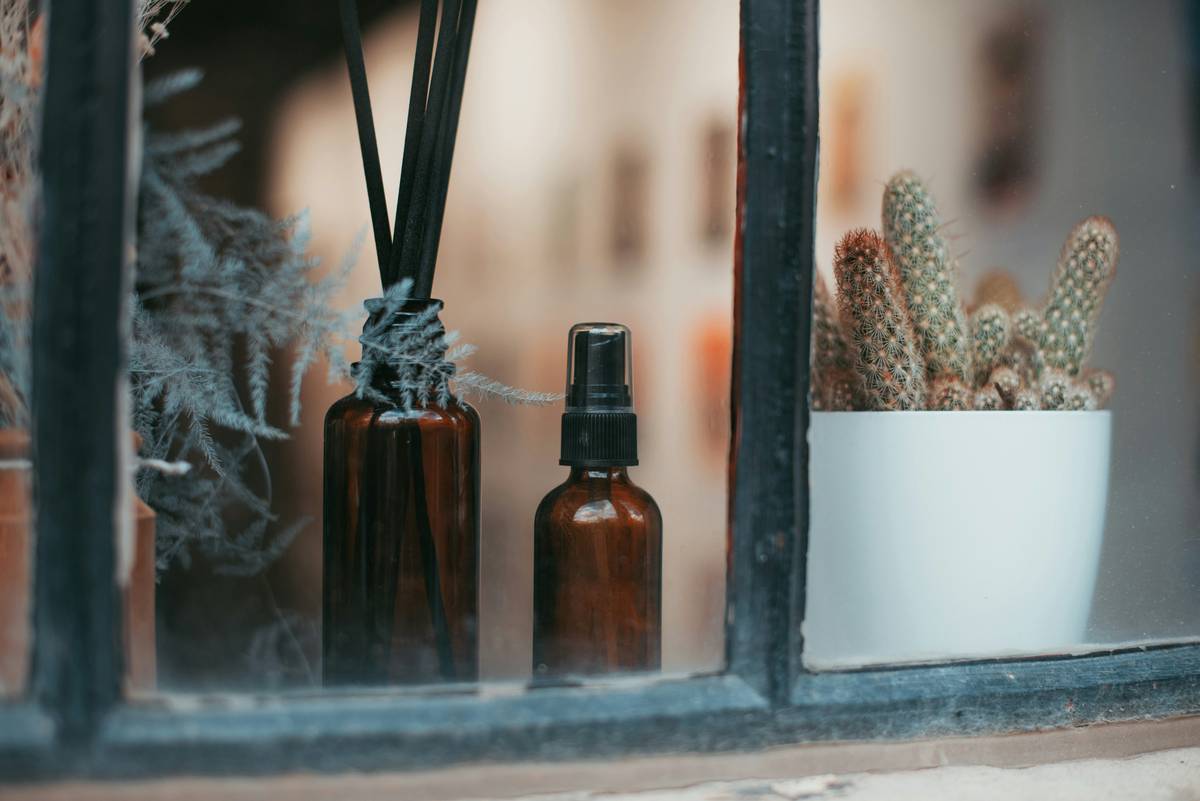
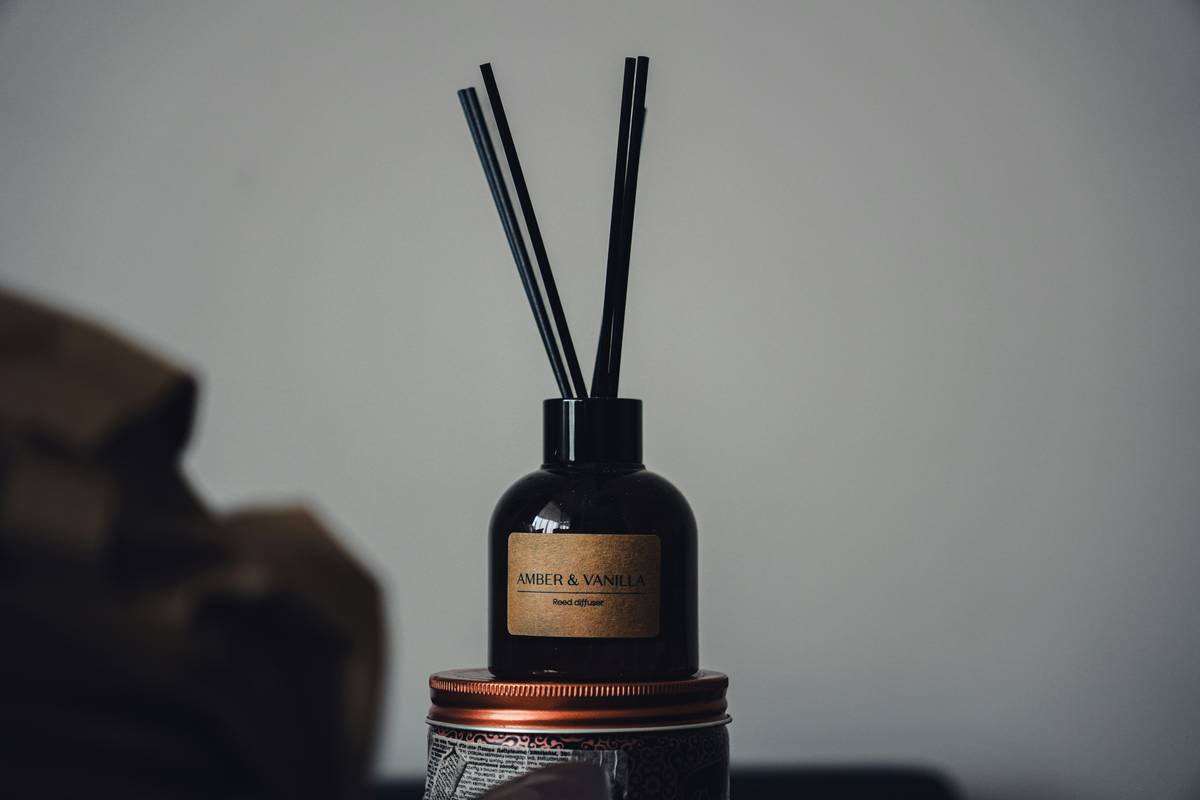
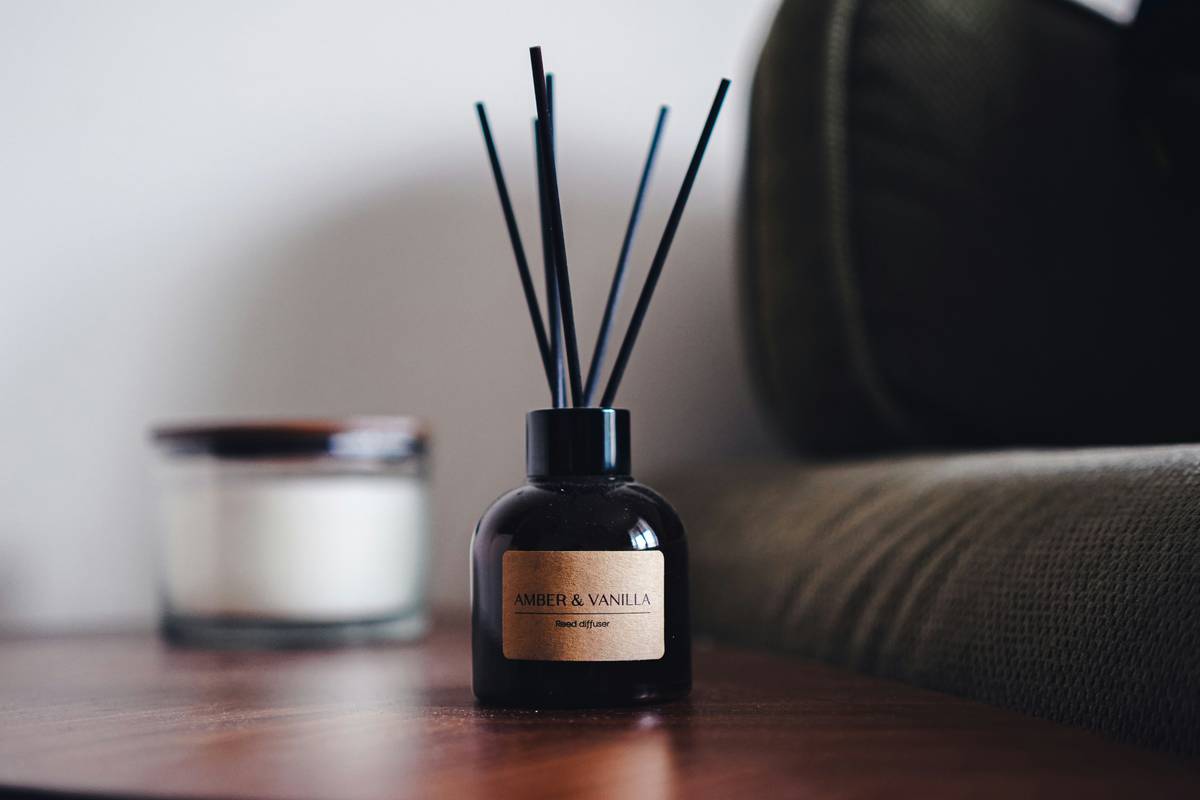
A diffuser isn’t always best. Reed diffusers offer silent, continuous release perfect for bedrooms. Mist sprays give instant refresh for entryways. Simmer pots create seasonal drama with cinnamon sticks and orange peels. Match method to mood—and room function.
Avoid Hidden Toxins in “Natural” Labels
Just because it says “essential oils” doesn’t mean it’s clean. Some brands dilute with synthetic solvents or use carrier oils prone to rancidity. Always check for full ingredient transparency—and ideally, third-party purity testing.
| Method | Startup Cost | Long-Term Cost (6 months) | Sustainability Rating | Luxury Feel |
|---|---|---|---|---|
| Reed Diffuser (DIY with organic oils) | $18–$25 | $35–$50 | ★★★★☆ | High |
| Ultrasonic Diffuser + Essential Oils | $40–$80 | $60–$90 | ★★★☆☆ | Medium-High |
| Commercial Plug-In (Premium Brand) | $10–$15 | $120+ | ★☆☆☆☆ | Low (despite branding) |
| Simmer Pot (Seasonal Herbs/Peels) | $0–$5 | $10–$20 | ★★★★★ | Surprisingly High |
The Industry Secret: Perfumers Don’t Use What They Sell
Here’s something big brands won’t tell you: master perfumers crafting those $200 designer scents rarely use synthetic air fresheners at home. In private interviews and industry whispers, many admit they rely on simple blends—vetiver root, aged sandalwood chips, or just open windows cross-ventilated with potted herbs. Why? Because true olfactory refinement respects complexity, not chemical overload.
The secret is subtraction, not addition. Real luxury home air freshener isn’t about overwhelming scent—it’s about creating negative space where clean air can breathe. A single drop of high-grade frankincense in a warm room does more than ten aerosol bursts of “mountain forest.” Less is refined. Less is restorative. And in sustainable personal care, less pollution is non-negotiable.
Frequently Asked Questions
Are natural air fresheners as long-lasting as synthetic ones?
Naturally derived scents fade faster—but that’s intentional. Instead of masking air, they complement it. Refresh every 4–6 hours for a dynamic, evolving ambiance rather than static chemical fog.
Can I make a luxury home air freshener without alcohol?
Absolutely. Use distilled water with a dispersant like polysorbate 20—or go oil-based with fractionated coconut oil in reed diffusers. Alcohol-free versions are gentler on lungs and finishes.
Do essential oil diffusers really purify the air?
Not exactly. They don’t remove particles like HEPA filters. But certain oils—eucalyptus, tea tree, lemon—have antimicrobial properties that may reduce airborne microbes when properly dispersed.