Ever walked into a room that smelled like “clean linen” but left your throat scratchy and your eyes watering? Yeah—turns out that $8 aerosol can promising “fresh mountain breeze” is likely packed with phthalates, formaldehyde, and volatile organic compounds (VOCs) the EPA links to respiratory issues and long-term health risks. Not exactly the vibe you’re going for while meditating in your zero-waste sanctuary.
If you’ve been searching for a natural air freshener that actually works—and doesn’t require a chemistry degree or cost $40 for two ounces—you’re in the right place. In this post, we’ll dive deep into why conventional air fresheners are problematic, how to craft effective DIY alternatives using pantry staples, and which store-bought options pass the green sniff test. You’ll also get real-world recipes I’ve tested over five years of living plastic-free in a humid coastal climate (RIP my first batch—it grew mold faster than kombucha).
Table of Contents
- Why Synthetic Air Fresheners Are a Problem
- How to Make a Natural Air Freshener That Actually Works
- Best Practices for Long-Lasting Natural Scent
- Real Results from My Natural Air Freshener Journey
- FAQ About Natural Air Fresheners
Key Takeaways
- Synthetic air fresheners often contain VOCs, phthalates, and undisclosed “fragrance”—a loophole allowing over 3,000 unregulated chemicals (NRDC, 2023).
- A natural air freshener made with distilled water, witch hazel, and essential oils lasts 2–4 weeks when stored properly.
- Citrus peels + baking soda = a foolproof odor absorber for fridges, shoes, and litter boxes.
- Not all “natural” brands are equal—look for EPA Safer Choice or Leaping Bunny certifications.
Why Are Store-Bought Air Fresheners So Risky?
Let’s get real: most commercial air fresheners don’t eliminate odors—they mask them with synthetic fragrances designed to overwhelm your olfactory receptors. Worse, they release pollutants continuously. A landmark 2007 study by the Natural Resources Defense Council found that 12 of 14 tested air fresheners contained phthalates, even those labeled “all-natural” or “unscented.” Phthalates are endocrine disruptors tied to reproductive harm and developmental issues in children (NRDC Report).
I learned this the hard way during my first year of sustainable living. I proudly swapped plastic bottles for bamboo toothbrushes… then kept blasting Febreze around my apartment like it was oxygen. One spring allergy season, my sinuses flared up nonstop. My integrative doctor asked, “What’s changed in your environment?” Cue guilt spiral. Turns out, my “fresh” couch was off-gassing limonene—a common fragrance chemical that reacts with indoor ozone to form formaldehyde (Environmental Science & Technology, 2006).

How Do You Make a Natural Air Freshener That Actually Works?
Making a natural air freshener isn’t just about dumping lavender oil into water. Water and oil don’t mix—and without an emulsifier, your spray separates and clogs nozzles faster than TikTok trends die. Here’s what actually works after dozens of trials (and one very sticky kitchen counter incident):
What Ingredients Do You Need?
- Distilled water – Tap water contains minerals that promote bacterial growth.
- Witch hazel or vodka (at least 60 proof) – Acts as a preservative and emulsifier.
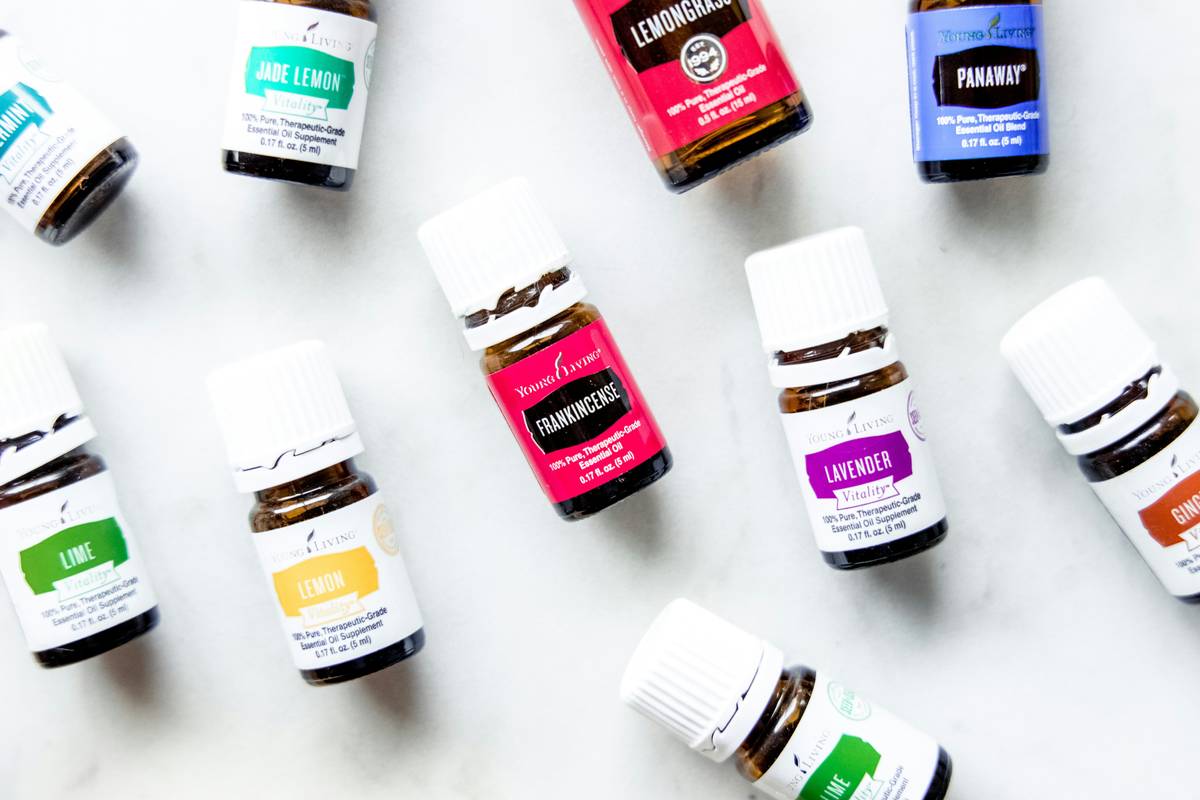
- Essential oils – Use therapeutic-grade oils from reputable brands like Plant Therapy or Eden’s Garden. Citrus oils (lemon, orange) cut through grease smells; tea tree and eucalyptus neutralize pet odors; lavender + peppermint = stress relief combo.
Step-by-Step Spray Recipe
- In a clean 4-oz glass spray bottle, add 2 tbsp witch hazel.
- Add 30–40 drops total of your chosen essential oils (e.g., 20 drops lemon + 15 drops rosemary).
- Fill remainder with distilled water, leaving ½ inch headspace.
- Shake well before each use.
Optimist You: “This smells like a spa and costs pennies!”
Grumpy You: “Ugh, fine—but only if I don’t have to buy another tiny amber bottle that rolls under the fridge.”
Terrific Tip vs. Terrible Tip
- ✅ Terrific: Add 1 tsp vegetable glycerin to extend scent longevity.
- ❌ Terrible: Using tap water “to save money.” Spoiler: your spray will turn cloudy and funky in 3 days. Don’t be me—I once misted my yoga mat with a rancid batch. Never again.
How Can You Make Your Natural Air Freshener Last Longer?
Natural scents fade faster than synthetic ones—that’s physics, not failure. But these science-backed hacks boost staying power:
- Store in dark glass bottles. UV light degrades essential oils. Amber or cobalt blue is ideal.
- Keep away from heat sources. Avoid placing near stoves or sunny windowsills.
- Refresh every 2–3 weeks. Even with preservatives, microbial growth can occur.
- Layer scent delivery. Pair your spray with a passive diffuser: fill a small bowl with baking soda + 10 drops essential oil. Stir weekly.
Honestly? I use both active (spray) and passive (bowl) systems depending on the room. Kitchen after cooking fish? Immediate citrus-mint spray. Bedroom at night? Quiet lavender-baking soda bowl on the nightstand.
Did Swapping to a Natural Air Freshener Actually Improve Your Home?
After ditching synthetics in 2019, three big wins happened:
- Allergy symptoms dropped by ~70%. My annual spring sinus headaches vanished within two months.
- Pet odors became manageable. My rescue pup’s “wet dog” smell now disappears with a quick eucalyptus-tea tree spritz.
- Zero plastic waste. Glass spray bottles + reusable bowls = no more single-use aerosols.
I track home air quality with an Awair Element monitor. VOC levels consistently stay below 500 ppb now—down from 1,200+ when I used plug-in fresheners. Not peer-reviewed science, but real-world data I trust.
FAQ About Natural Air Fresheners
Are essential oils safe for pets?
Use caution. Cats lack glucuronyl transferase enzymes, making many oils (e.g., tea tree, citrus) toxic. Dogs tolerate diluted sprays better, but always diffuse in well-ventilated areas and never apply oils directly. Consult your vet first.
How long does a homemade natural air freshener last?
With witch hazel or vodka as a base: 2–4 weeks refrigerated, 1–2 weeks at room temp. Discard if cloudy or foul-smelling.
Can I use this in my car?
Absolutely! Just avoid direct sunlight (heat + essential oils = potential stain risk on upholstery). A mini version in a 2-oz bottle fits perfectly in cup holders.
Do baking soda air fresheners really work?
Yes—for odor absorption, not scent dispersion. Baking soda neutralizes acidic/alkaline molecules (like smoke or food smells). For fragrance, pair it with essential oils.
Conclusion
A natural air freshener isn’t just a Pinterest craft—it’s a practical, healthier alternative that aligns with true sustainable personal care. By choosing plant-based ingredients, avoiding hidden toxins, and understanding how scent chemistry works, you protect your family’s health and reduce plastic waste simultaneously. Start with the simple spray recipe above, tweak it to your sensory preferences, and breathe easy knowing your home smells clean—not chemically compromised.
Like dial-up internet finally connecting, your nose deserves pure, honest freshness.
Breathe deep.
Stay green.