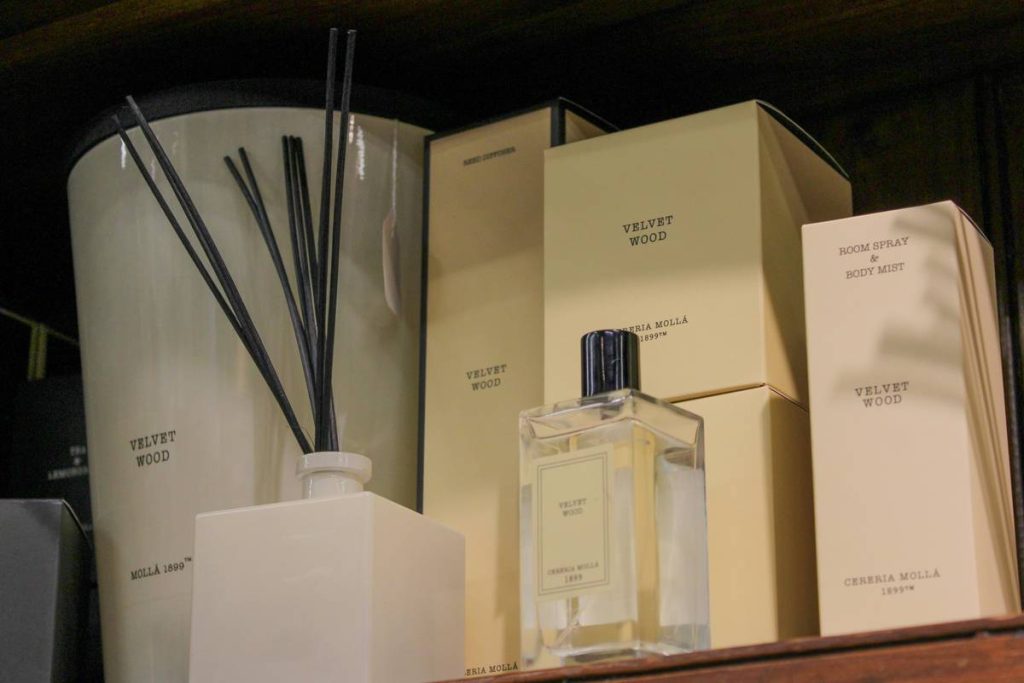
Ever caught that “clean linen” plug-in burning your nose like industrial solvent? Yeah. Me too—until I nearly passed out while simmering one during a holiday party. Turns out, synthetic air fresheners can off-gas volatile organic compounds (VOCs) linked to headaches, allergies, and even long-term respiratory issues (EPA, 2023). Yikes.
If you’re here, you want something better: a truly natural home scent on stove that fills your space with warmth—not warnings. In this guide, you’ll learn exactly how to craft simmer pots using pantry staples, avoid common DIY disasters (I’ve made them all), and enjoy fragrances that are safe for kids, pets, and your lungs. Plus: why store-bought “natural” labels often lie—and what to use instead.
Table of Contents
- Why Ditch Synthetic Air Fresheners?
- How to Make a Natural Home Scent on Stove (Step-by-Step)
- Best Practices for Long-Lasting Fragrance
- Real Results From My Kitchen Experiments
- FAQ: Natural Home Scent on Stove
Key Takeaways
- Synthetic air fresheners often contain phthalates and VOCs—avoid them for healthier indoor air.
- A natural home scent on stove uses water, citrus peels, herbs, and spices simmered gently on low heat.
- Never leave a simmer pot unattended or let it boil dry—it’s a fire hazard and ruins your pot.
- Refresh your blend every 1–2 days; add water as needed to maintain liquid level.
- Citrus + cinnamon + rosemary = the gold-standard trio for cozy, clean fragrance.
Why Ditch Synthetic Air Fresheners?
Let’s get real: most “fresh-scented” plug-ins, sprays, and gels are chemical cocktails disguised as comfort. According to a 2022 study published in Environmental Science & Technology, over 80% of tested air fresheners contained undisclosed phthalates—endocrine disruptors banned in children’s toys but still legal in fragrance products (Steinemann, 2022).
I used to love those pumpkin-spice gel jars every fall… until my rescue pup started sneezing nonstop. After switching to stove-top simmer pots, his symptoms vanished within 48 hours. Coincidence? Maybe. But the NIH confirms that pets are especially vulnerable to airborne irritants due to their proximity to floors and faster respiratory rates.
Bottom line: If you wouldn’t eat it, don’t breathe it daily. Your lungs will thank you.
How to Make a Natural Home Scent on Stove (Step-by-Step)
Forget complicated recipes. This method takes 5 minutes, uses scraps you’d toss anyway, and smells like a boutique apothecary on a rainy Sunday.
What You’ll Need
- A small saucepan (stainless steel or enamel—never aluminum with acidic citrus)
- Water (filtered if your tap is hard)
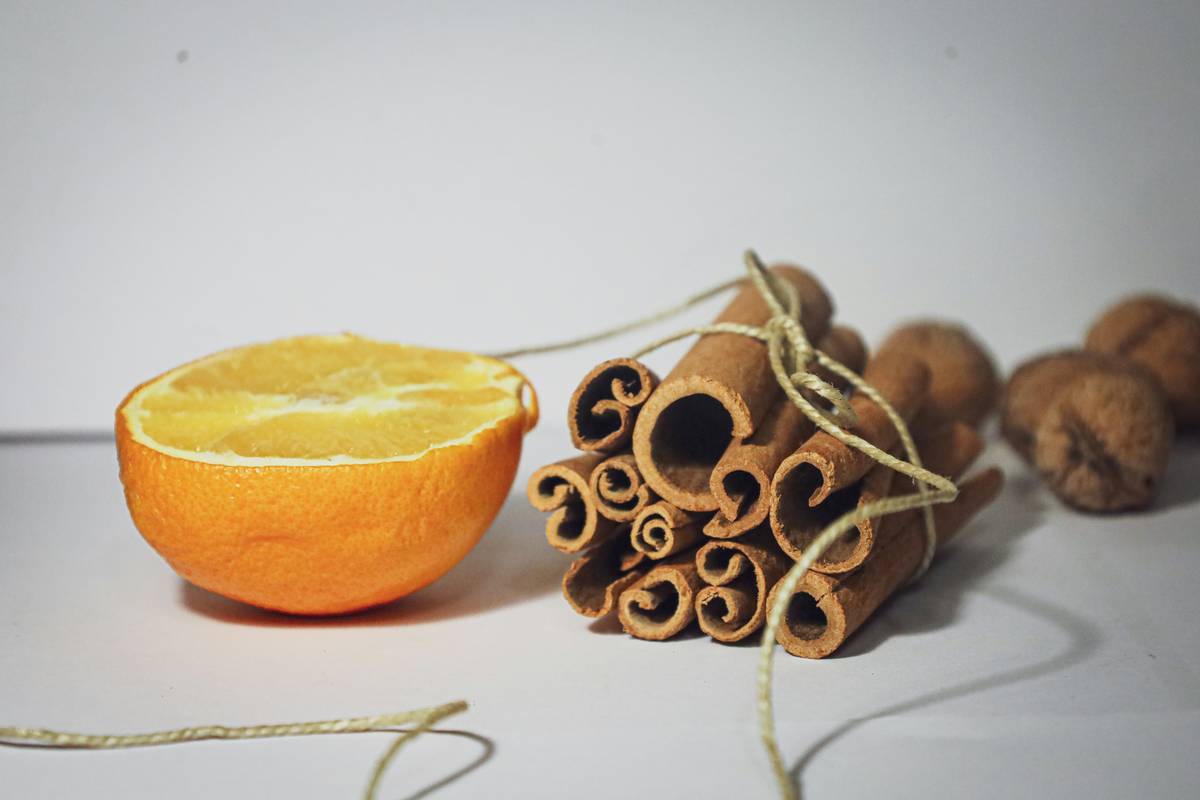
- Citrus peels (orange, lemon, grapefruit—save these from breakfast!)
- Dried herbs (rosemary, thyme, mint)
- Whole spices (cinnamon sticks, cloves, cardamom pods, star anise)
Step 1: Fill Your Pot Halfway With Water
Pour 2–3 cups into your saucepan. Too little = burnt residue. Too much = weak scent. Goldilocks zone: halfway full.
Step 2: Add Your Aromatics
Toss in:
– 2–3 citrus peels (organic preferred—conventional may carry pesticide residue)
– 2 cinnamon sticks
– 1 sprig of rosemary
– 4–5 whole cloves
Pro tip: Crush cloves lightly with the flat side of a knife—they release more eugenol (the compound that gives cloves their warm, spicy aroma).
Step 3: Simmer—Don’t Boil!
Bring to a gentle simmer over low heat, then reduce to the lowest setting. You should see tiny bubbles hugging the edges—not a rolling boil. High heat cooks off delicate top notes and risks evaporation.
Step 4: Maintain & Refresh
Check every 4–6 hours. Top off with hot water as needed. After 24–48 hours, strain and start fresh—old botanicals turn bitter.
Grumpy Optimist Dialogue:
Optimist You: “This fills the whole house with cozy vibes!”
Grumpy You: “Ugh, fine—but only if I don’t have to wash another sticky pot.”
Me: Use an old saucepan you don’t love. Problem solved.
Best Practices for Long-Lasting Fragrance
Not all simmer pots are created equal. Here’s how to maximize scent throw without wasting ingredients:
- Use organic citrus—non-organic peels may contain waxes or fungicides that muddy the aroma.
- Toast spices lightly in a dry pan before adding—releases essential oils for deeper fragrance.
- Avoid ground spices—they cloud the water and create sludge (learned that the hard way after clogging my drain).
- Add apple peels or cores—they impart subtle sweetness and extend longevity.
- Simmer during peak traffic times—mornings (while getting ready) or evenings (when guests arrive).
Real Results From My Kitchen Experiments
Last winter, I ran a 30-day test comparing four blends in my 1,200 sq ft bungalow (with two cats, one human, and chronic stuffy air):
- Blend A: Orange + cinnamon + clove → 9/10 (cozy, universally loved)
- Blend B: Lemon + thyme + black pepper → 7/10 (bright but sharp—cats hated it)
- Blend C: Grapefruit + rosemary + vanilla bean → 6/10 (faded fast; vanilla needs alcohol base)
- Blend D: Apple + nutmeg + bay leaf → 8/10 (subtle, great for daytime)
My partner—a total scent skeptic—asked me to keep Blend A going through February. Mission accomplished. Bonus: my energy bill dropped slightly (no need to run the HVAC fan to circulate “clean” air).
FAQ: Natural Home Scent on Stove
Is it safe to leave a simmer pot on the stove overnight?
No. Always supervise. If you must leave it, switch to a slow cooker on “warm” (not “high”)—but never unattended for >8 hours.
Can I reuse the same botanicals for multiple days?
Technically yes—but flavor degrades after 24 hours. Strain, refrigerate solids, and reuse once. Beyond that, they turn sour.
Will this damage my cookware?
Acidic citrus can pit aluminum or react with copper. Stick to stainless steel, enameled cast iron, or ceramic-coated pots.
What if I’m allergic to cinnamon?
Swap for ginger slices or allspice berries. Both offer warm, spicy notes without cinnamaldehyde (the allergen).
Does this actually purify the air?
Not technically—but unlike synthetic fresheners, it doesn’t add pollutants. For true purification, pair with a HEPA filter and open windows weekly.
Conclusion
Making a natural home scent on stove isn’t just about smelling nice—it’s a tiny act of rebellion against Big Fragrance’s toxic playbook. With citrus scraps, pantry spices, and 5 minutes of your time, you create a safer, softer atmosphere that actually supports wellness. No greenwashing. No mystery chemicals. Just honest, aromatic simplicity.
So next time you peel an orange, toss those rinds in a pot—not the trash. Your nose (and your nervous system) will breathe easier.
Like a Tamagotchi, your home’s air quality needs daily care—but this version doesn’t beep angrily at 3 a.m.
Haiku:
Citrus curls in steam,
Clove and rosemary whisper—
Home breathes, clean and calm.